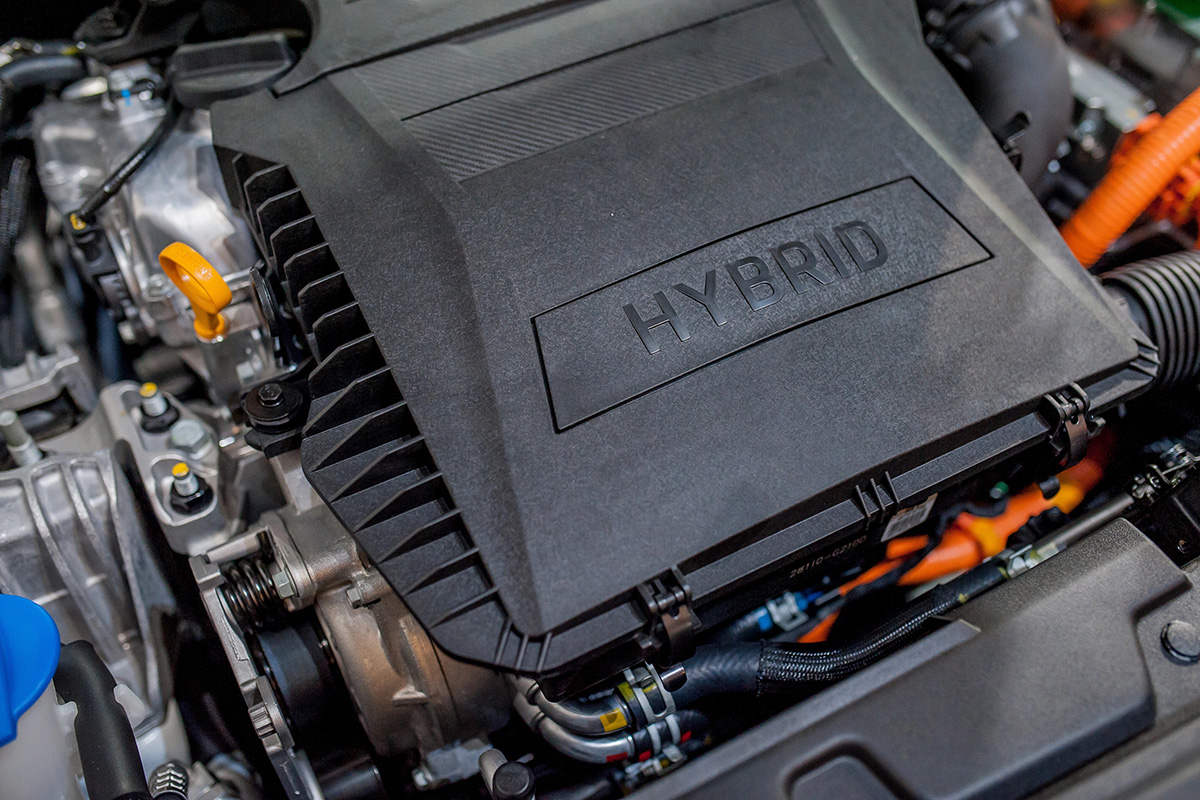
Hybrid vehicles are everywhere now. They get better gas mileage and produce fewer emissions, but when one won’t start, most drivers have no idea what to do. The first question is always the same: can you even jump start a hybrid?
Here’s the short answer: yes, almost always.
The confusion comes from not knowing how the car is actually powered. Your hybrid has two separate batteries, and knowing which one died makes all the difference. At Hi-Way Towing, we get these calls every day, and the fix is usually simpler than people expect.
Table of Contents
Two Batteries, Two Jobs
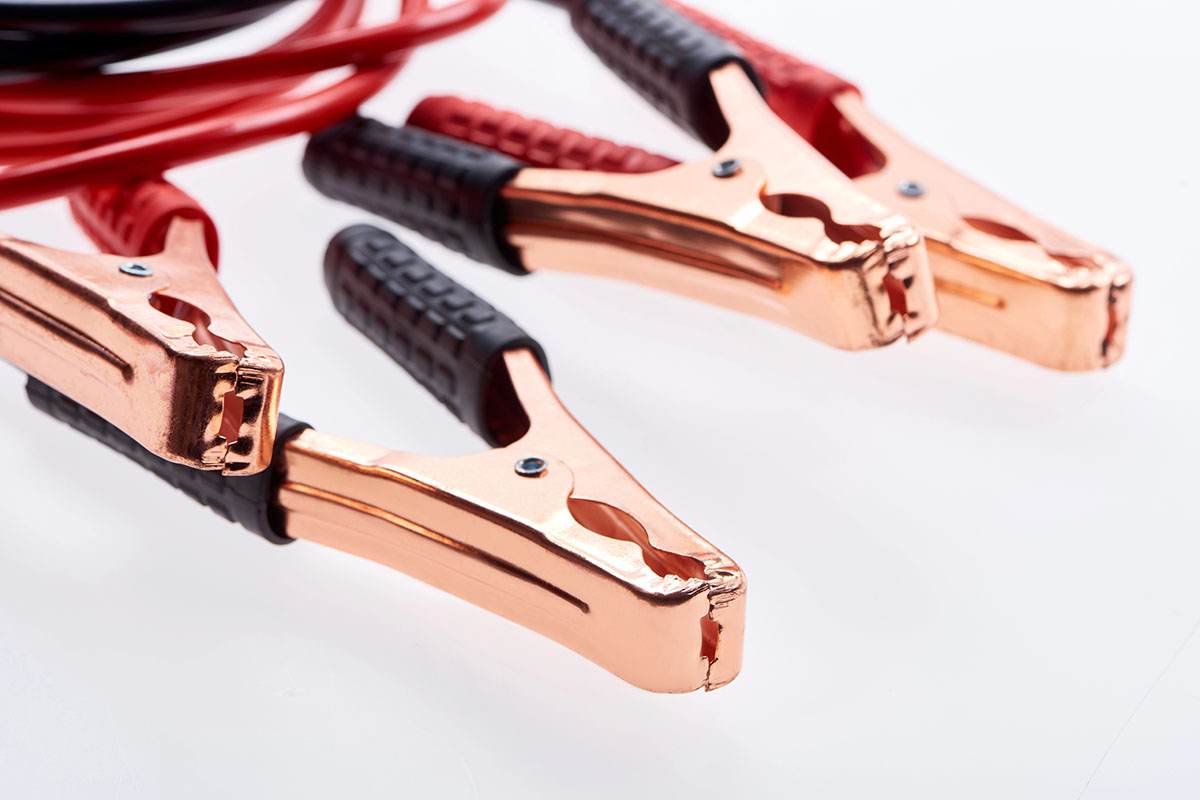
To understand why your hybrid won’t start, you need to know what’s going on under the hood. Every standard hybrid (think Toyota Prius, Ford Fusion Hybrid, or Honda Escape Hybrid) runs on a dual-battery system.
1. The High-Voltage (Traction) Battery
This is the big, expensive one, usually tucked under the back seat or in the trunk. It runs at hundreds of volts and drives the electric motor that turns the wheels. You can’t jump this battery with cables. If it’s fully dead, the car needs a tow to a dealership or charging station.
2. The 12-Volt (Auxiliary) Battery
This one is smaller and works a lot like the battery in any gas-powered car. It runs your headlights, door locks, radio, and most importantly, the vehicle’s computer (ECU).
Here’s the part that trips people up: the big high-voltage battery can’t turn on by itself. The 12-volt battery has to wake up the computer first. The computer then closes a relay (basically a heavy-duty switch) that connects the high-voltage battery to the drivetrain.

So if you left a dome light on, or if the car sat too long without being driven, the 12-volt battery dies. When that happens, the computer can’t boot up, and the car is completely dead. Even if the high-voltage battery is at full charge, nothing will happen.
The Jump Start Procedure: It’s All About the 12-Volt
When you call a towing service for a jump, we’re not going anywhere near the high-voltage system. We’re boosting the small 12-volt battery. Once it has enough power to turn on the computer, the computer closes the relay, the high-voltage battery connects, and the gas engine fires up.
That said, the process isn’t quite the same as jumping a regular truck or sedan.
- Finding the Battery: In a lot of hybrids, the 12-volt battery is buried in the trunk or under a rear seat. You can’t get to it easily. Manufacturers account for this by installing “jump points” under the hood, usually a red plastic cap covering a positive terminal in the fuse box.
- Voltage Sensitivity: Hybrids are basically computers on wheels. They’re extremely sensitive to voltage spikes. A standard tow truck might push big amps to crank a diesel engine, but that same surge could fry a hybrid’s inverter. Professional roadside techs use regulated jump packs and follow specific procedures to keep the voltage stable and safe for the car’s electronics.
Why DIY Jumping Can Be Risky
You can jump a hybrid yourself, but there are real risks that make calling a pro the smarter move.
1. Reversed Polarity

The jump points in the fuse box are often small and surrounded by other metal components. It’s easy to cross wires or touch the positive clamp to the wrong spot. On a hybrid, reversing polarity can blow the main fusible link or damage the inverter assembly. That turns a $100 service call into a $4,000 repair.
2. The “Donor” Car Problem
If you use another vehicle to jump your hybrid, be careful. Some manufacturers recommend against using a hybrid as the donor car because its charging system may not handle the load well. A dedicated battery pack (which tow trucks carry) is always the safest option because it keeps the two vehicles electrically isolated.
Signs It’s the 12-Volt (And Not the Big Battery)
How do you know a jump start will actually fix the problem? Look for these symptoms:
- The car is completely dead. No dome lights, no key fob response.
- The dashboard flickers or looks dim.
- You hear rapid clicking when you try to start it.
- The “Ready” light won’t come on.
If the dashboard lights up fine and the radio works, but the car won’t move or shows a “Check Hybrid System” error, you’re probably dealing with something deeper in the high-voltage system or inverter. That situation needs a tow.
FAQs
Does jumping a hybrid void the warranty?

Usually not. Manufacturers know 12-volt batteries die. As long as the jump start follows the owner’s manual (correct jump points, proper voltage), it’s considered standard maintenance. Damage from improper jumping, like crossed wires, won’t be covered. That’s one more reason to let a professional handle it.
Can I use a standard portable jump pack on my hybrid?
Yes, and they’re actually better than jumper cables in most cases. They deliver a steady, lower-amperage flow of power. Just make sure you connect to the correct points under the hood, not the orange high-voltage cables. Never touch those.
Why does my hybrid battery keep dying when I don’t drive it?
Hybrids run a lot of background electronics even when the car is off: keyless entry, alarm systems, and other modules. The 12-volt battery in a hybrid is also typically smaller than the one in a gas car (since it doesn’t need to crank a starter motor), so it has less reserve capacity and drains faster sitting idle.
What happens if the big high-voltage battery dies?
You can’t jump it. The car needs a tow to a dealership. But this is rare. The car’s computer is designed to prevent the high-voltage battery from draining completely.
Can all hybrids be jump started?
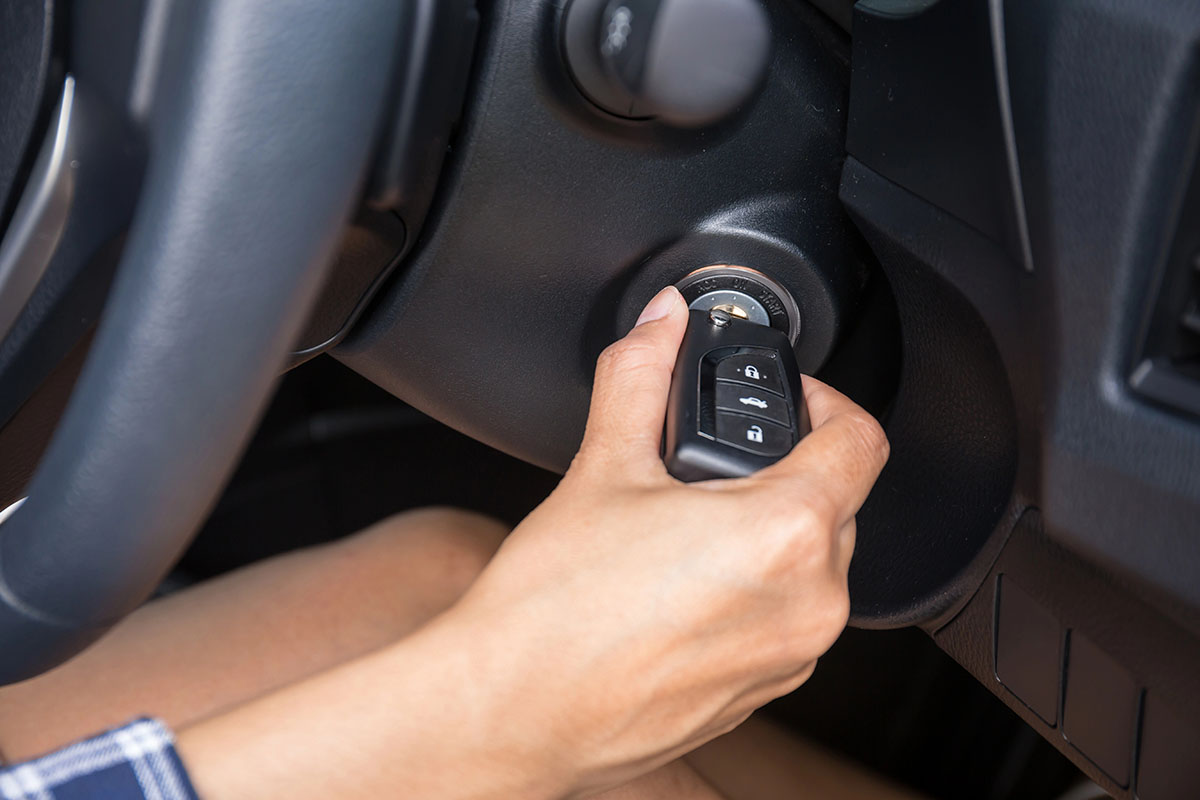
Most can, as long as the problem is the 12-volt battery. Check your owner’s manual for the right procedure. The high-voltage battery isn’t something you jump start in the traditional sense.
Is it dangerous to jump a hybrid vehicle?
It’s safe when you use the correct terminals and follow the right steps. The high-voltage system is completely separate from the 12-volt jump points. That said, mistakes can damage electronics, so if you’re not confident, call for help.
Will jump starting harm the hybrid battery?
Jumping the 12-volt battery won’t hurt the high-voltage battery when done correctly. Using the wrong terminals or causing voltage spikes can damage control modules, which is why getting it right matters.
How long does a hybrid 12-volt battery last?
Typically 3 to 5 years, about the same as any other car. Climate, driving habits, and how many electronics draw power all affect lifespan.
What if my hybrid still won’t start after a jump?
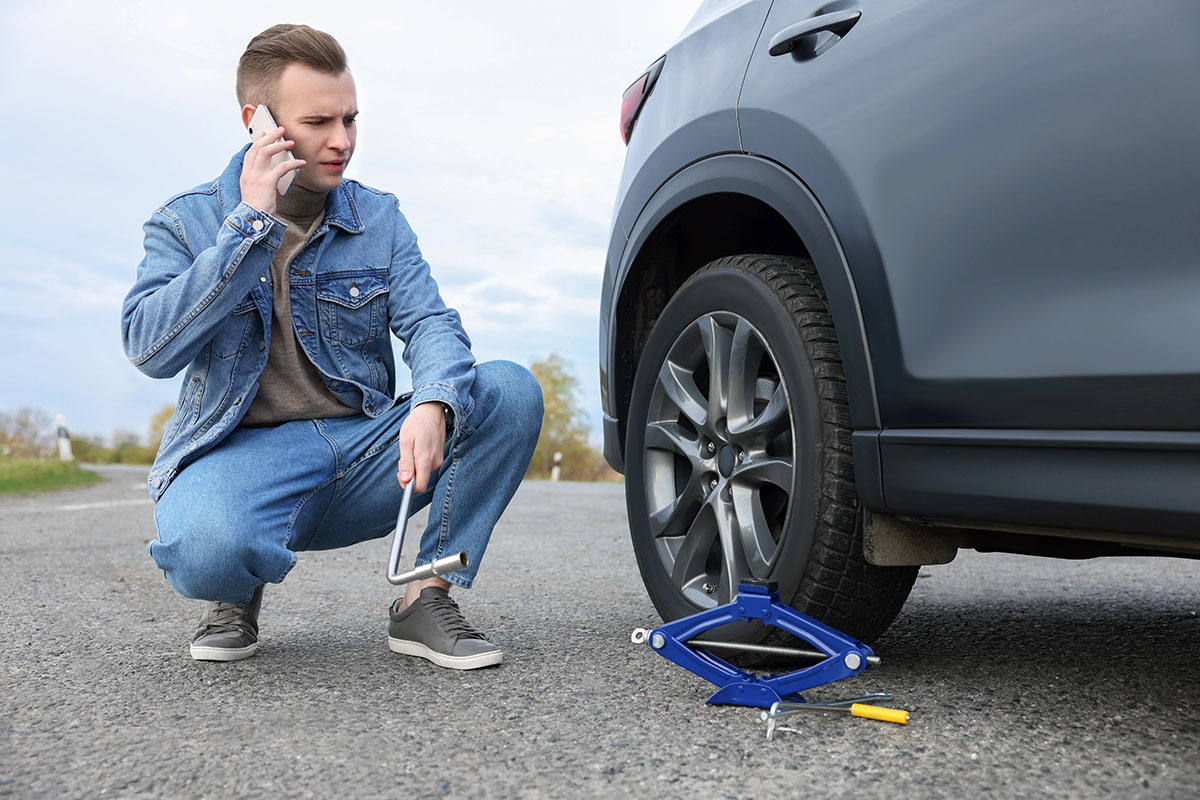
If a proper jump attempt doesn’t work, the problem goes beyond the 12-volt battery. You’ll need a professional diagnosis and likely a tow.
Keeping Your Hybrid Ready for the Road
Hybrid technology adds fuel savings but also comes with its own maintenance needs. Regular battery checks and knowing the difference between the 12-volt and high-voltage systems can save you from expensive mistakes.
If you’re ever unsure about what’s going on with your vehicle, give Hi-Way Towing a call. We’ll get you sorted out and help you avoid any accidental damage.