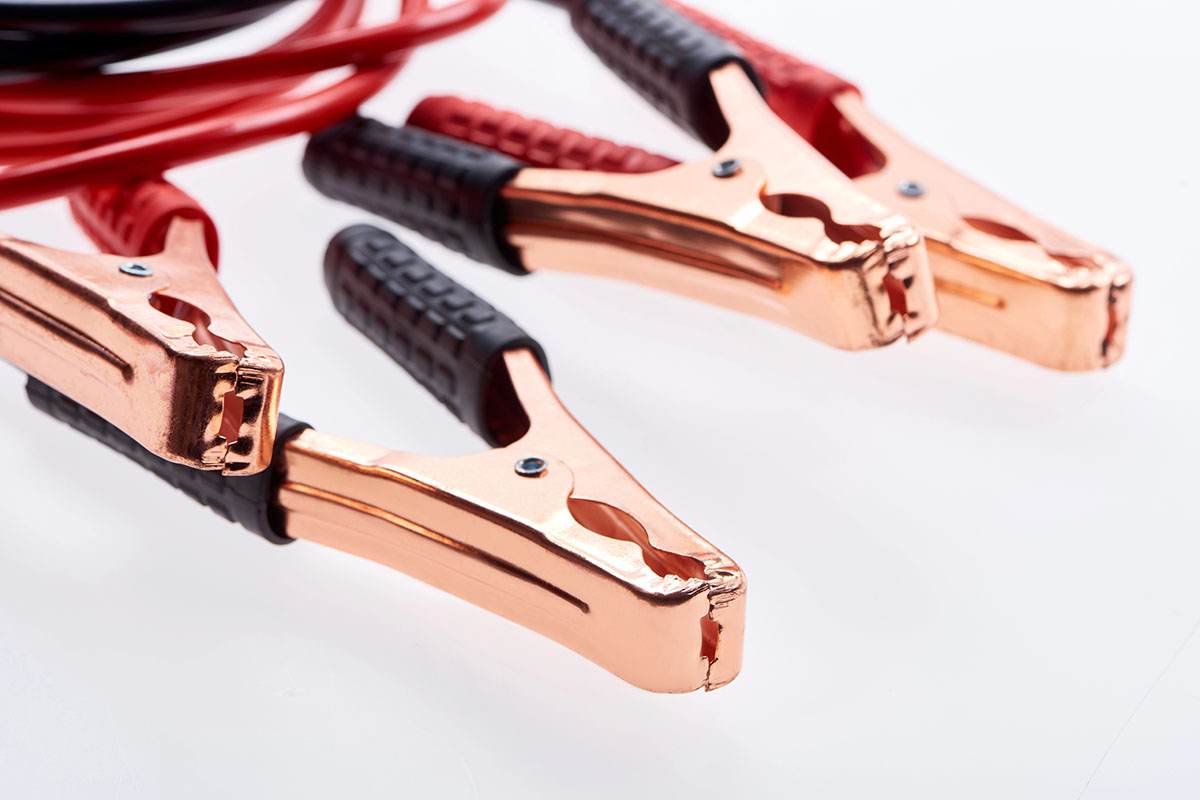
You turn the key and nothing happens. Maybe you hear clicking. Maybe the engine cranks like it’s running through mud. The question is straightforward: can you jump it and move on, or is the battery dead for good?
Knowing the difference saves you from being stranded again three days later. Some starting problems are minor. Others mean the battery is done.
Here’s what to look for, and when to call for roadside help.
Scenario A: The “Human Error” Drain
Batteries are storage tanks for electricity. Leave the tap open and the tank drains. The most common cause of a dead battery? You did something.

The culprits: Headlights left on overnight, a dome light that didn’t shut off, or a door left cracked open.
The verdict
If the battery is fairly new (under 3 years) and was working fine until you made a mistake, a jump start should do it. Once the car is running, the alternator recharges the battery while you drive. Give it at least 30 to 45 minutes on the road to top it off.
Scenario B: The “Old Age” Failure
Car batteries don’t last forever. In hot climates, a standard lead-acid battery gets about 3 to 4 years. In milder weather, maybe 5. Over time, the lead plates inside corrode and lose the ability to hold a charge.
The symptoms: The car has been struggling to start for weeks. Slow, labored cranking. You jump it, drive around, turn it off, and ten minutes later it won’t start again.
The verdict
A jump start is a bandage. The battery has bad cells and can’t hold what the alternator puts into it. You need a replacement. Call roadside assistance for a new battery or a tow to a shop.
Scenario C: The Alternator Issue
Sometimes the battery is the victim, not the problem. The alternator generates electricity and keeps the battery charged while the engine runs.
The symptoms: The car starts with a jump but dies the moment you remove the cables. Or it runs for a few minutes, then the radio, lights, and dash all start fading while you’re driving.
The verdict
Your charging system is broken. A new battery won’t fix this. It’ll just die in an hour because nothing is charging it. You need a tow to a repair shop.
How to Test Your Theory
Stuck in a parking lot? A few quick checks can point you in the right direction.
- Check the date code: Look for a sticker on the top or side of the battery. It usually has a letter (month) and a number (year). “C/20” means March 2020. If the battery is over 4 years old, plan on replacing it.
- Look for corrosion: White or blue fuzzy buildup around the metal terminals means the battery is leaking acid or venting gas. That’s a sign of age and failure.
- The headlight test: Turn on the headlights. Are they dim? If you rev the engine after a jump, do they get noticeably brighter? If the brightness swings up and down with engine speed, your alternator may be going.
FAQs
Can a completely dead battery be recharged?
If a battery drains to absolute zero volts, it can be permanently damaged. Lead-acid batteries aren’t built to go that low. Even with a jump, it may never hold a full charge again. But if there’s still some voltage left, a long drive or a trickle charger can often bring it back.
How long does a jump start take?
Hooking up the cables takes a few minutes. Once connected, let the donor car run for a bit to feed energy into the dead battery before you try to start it.
Does roadside assistance carry new batteries?
Some providers offer mobile battery replacement and will install a new one on the spot. Standard towing companies will usually jump you or tow you to a parts store or mechanic. Worth asking the dispatcher what they can do.
Is it safe to jump a car in the rain?

Yes, as long as you’re careful. A car battery runs at 12 volts, which isn’t enough to shock you through rain. Wet conditions do make it easier to slip or create sparks near fuel vapors, so take your time.
How long should I let my car run after a jump start?
Drive for at least 20 to 30 minutes so the alternator can recharge the battery. Idling alone may not be enough. And if the battery is failing, no amount of driving will fix the underlying problem.
Can I drive immediately after a jump start?
If the engine runs normally and no warning lights are on, go ahead. But if the car stalls shortly after or warning lights stay lit, something else is going on.
How do I know if my alternator is bad instead of my battery?
Watch for dim lights while driving, a battery warning light on the dash, or the car stalling right after a jump. A charging system test at a shop will confirm it.
Is it safe to jump start a modern vehicle?

Yes, when you follow the right steps and connect to the correct terminals in order. Doing it wrong can fry sensitive electronics. If you’re not confident, call for professional help.
Can a battery test show it’s good even if it fails later?
It can. A battery might pass a test when it’s warm but fail once temperatures drop. If your battery is near the end of its life and keeps giving you trouble, replacing it beats rolling the dice every morning.
Making the Right Call
A jump start is the fastest way to get moving, but it’s not always the answer. Check the age of your battery and think about how the failure happened. That tells you whether you need a quick boost or a new unit.
At Hi-Way Towing, our drivers can help you figure it out on the spot. We’ll jump you so you can get home, or if the battery won’t hold a charge, we’ll tow you to a service center so you’re not dealing with the same problem tomorrow.