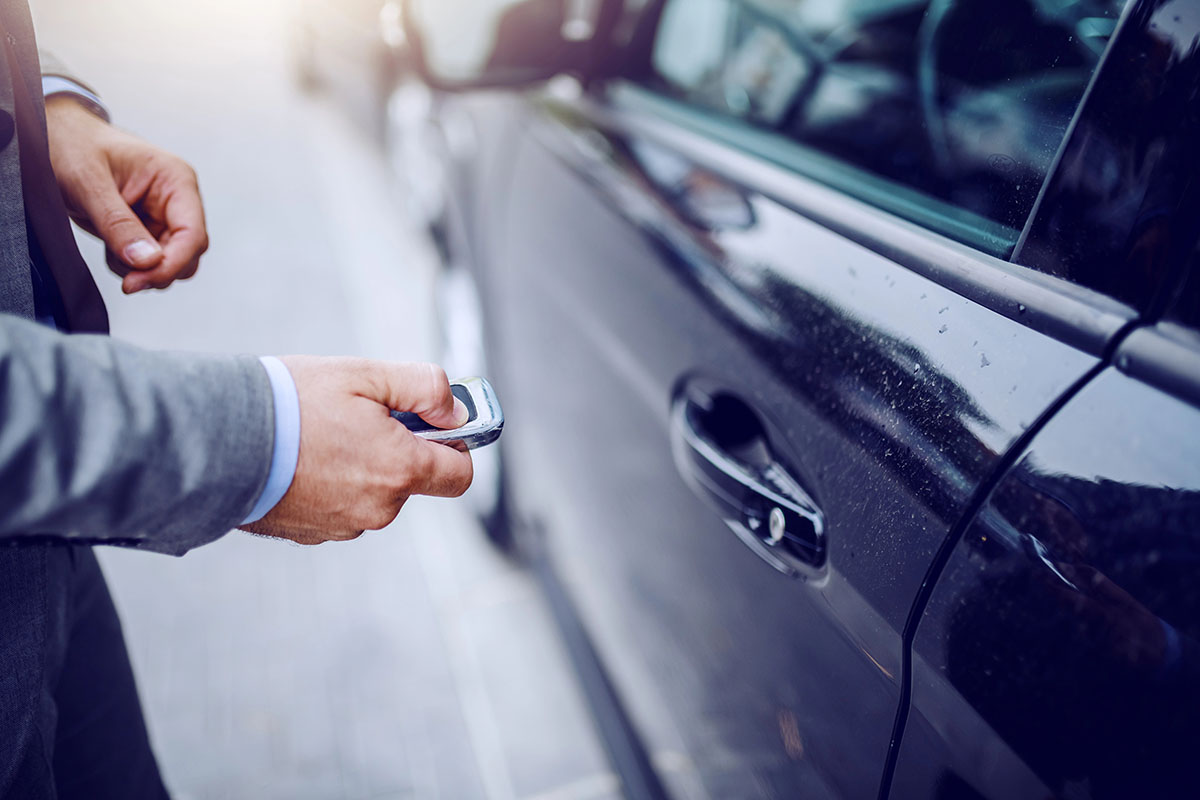
Push-to-start is great until it isn’t. You walk up to your car, pull the handle, and nothing happens. The fob battery died, and now you’re standing in a parking lot staring at the start button through the window.
Most people assume a dead fob means calling a tow truck and heading to the dealership. Almost never true. Automakers build backup methods into these systems. But you have to get inside the car first, and that’s where a professional lockout service comes in.
Table of Contents
The Lockout: Getting Inside Without Damage
When the electronic signal fails, the car stays locked. You might be tempted to grab a coat hanger, but modern cars have side-impact airbags and dense wiring inside the doors. Poking around with metal is a good way to break a locking mechanism or set off an airbag sensor.
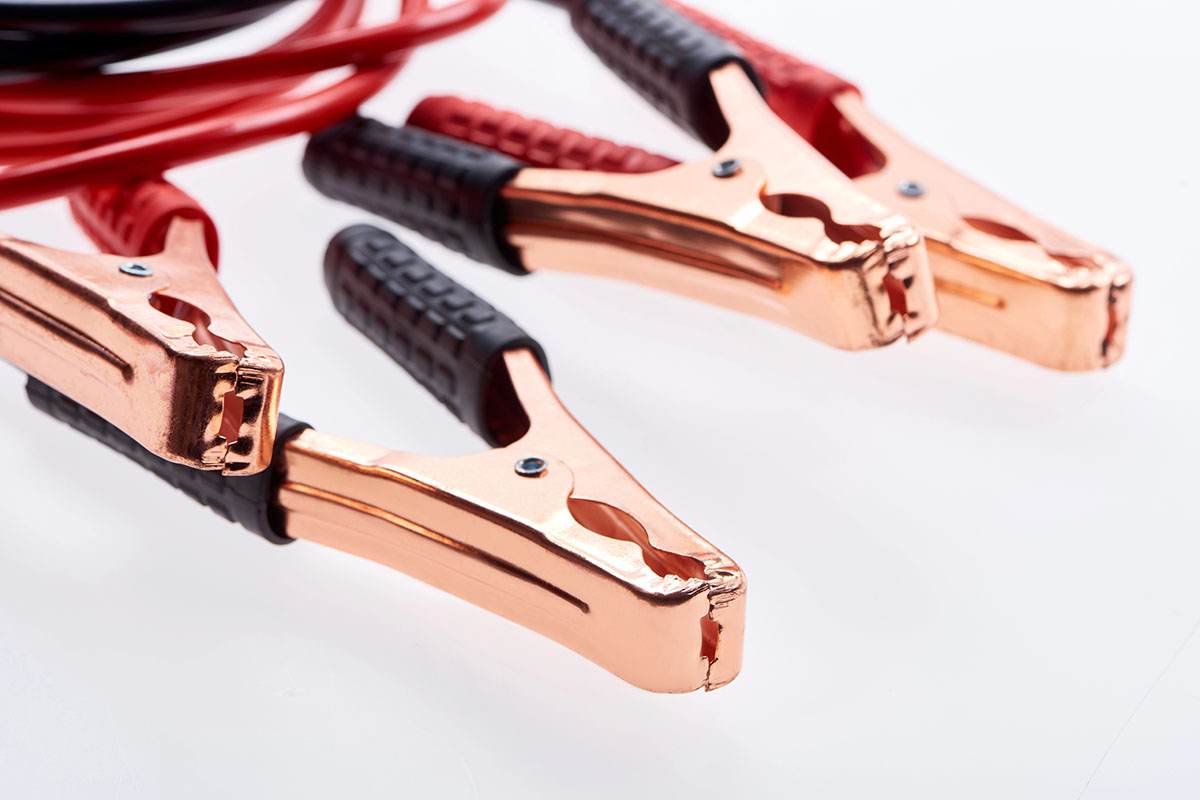
Professional roadside technicians use tools made for this.
- Air Wedges: A soft, inflatable wedge creates a small gap between the door and frame without scratching paint or bending metal.
- Long-Reach Tools: A coated rod goes through the gap to press the interior lock button or pull the door handle from inside.
The whole process takes minutes, and nothing gets damaged.
The Hidden Key: Your First Line of Defense
Before calling anyone, check your fob. Almost every “keyless” fob has a physical metal key hidden inside. There’s usually a small latch or button on the back that releases it.
Once you have the metal key, look at your door handle.
- Visible Keyhole: Some cars still have one right on the driver’s handle.
- Hidden Keyhole: On many newer luxury models, it’s behind a plastic cap. There’s a small slot underneath where you can insert the key tip to pop the cap off and get to the lock cylinder.
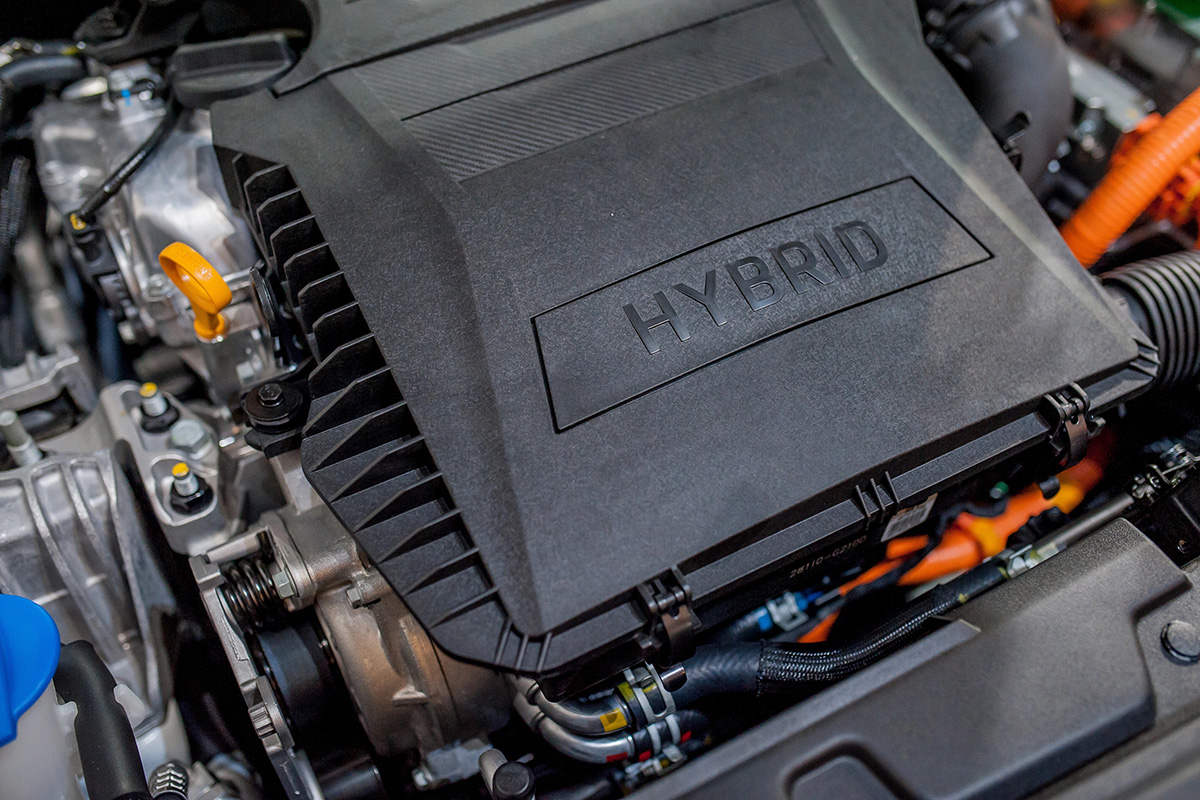
If you can use this mechanical key, you’re in. Fair warning though: the car alarm will probably go off because the car never got the electronic “unlock” signal.
Starting the Engine with a Dead Fob
You’re inside now, either by key or by lockout service. You press the Start button and the dashboard says “Key Not Detected.”
Here’s what’s happening. The fob uses two types of signals. The active signal (the one that opens doors from 20 feet away) needs battery power, and yours is dead. The passive signal works through a near-field RFID chip that doesn’t need a battery at all, similar to tapping a credit card to pay. You just need to get the fob close enough for the car to read it.
- Method 1: The Button Push
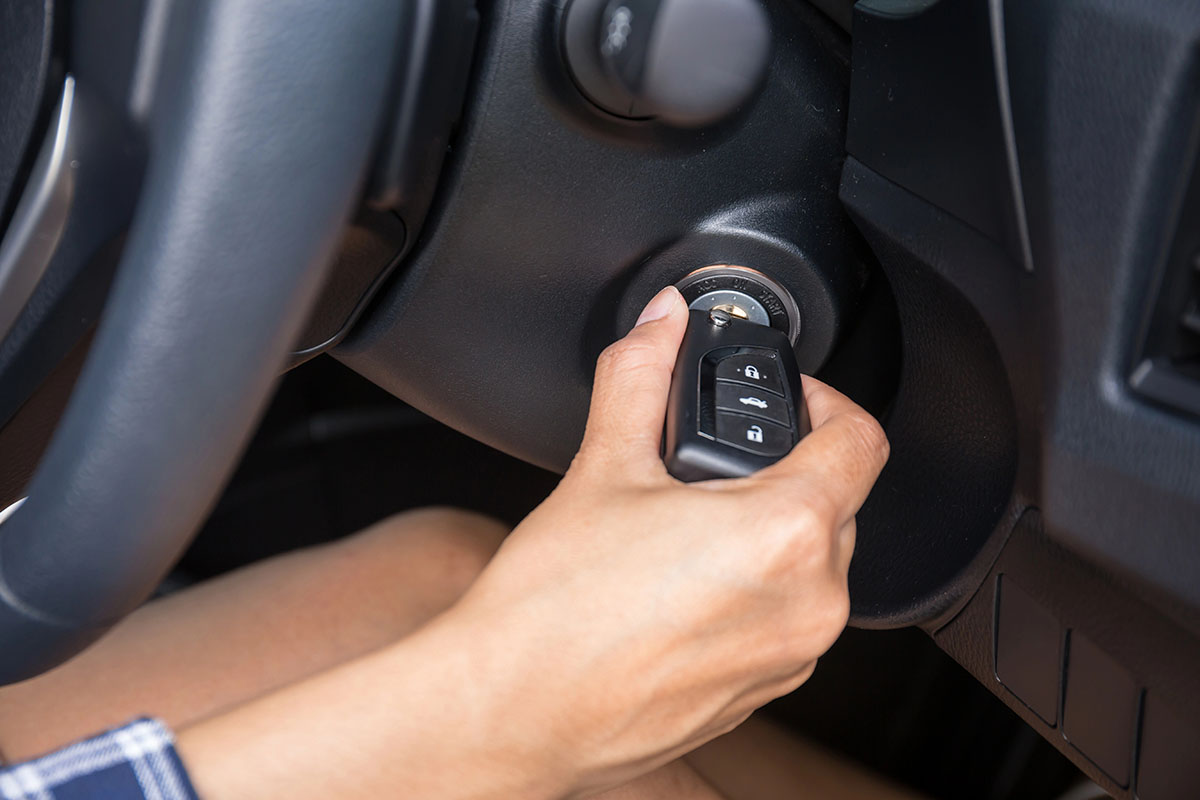
Press the nose of the fob directly against the Start button. Physical contact lets the car’s reader pick up that passive chip signal.
- Method 2: The Cup Holder/Column Slot
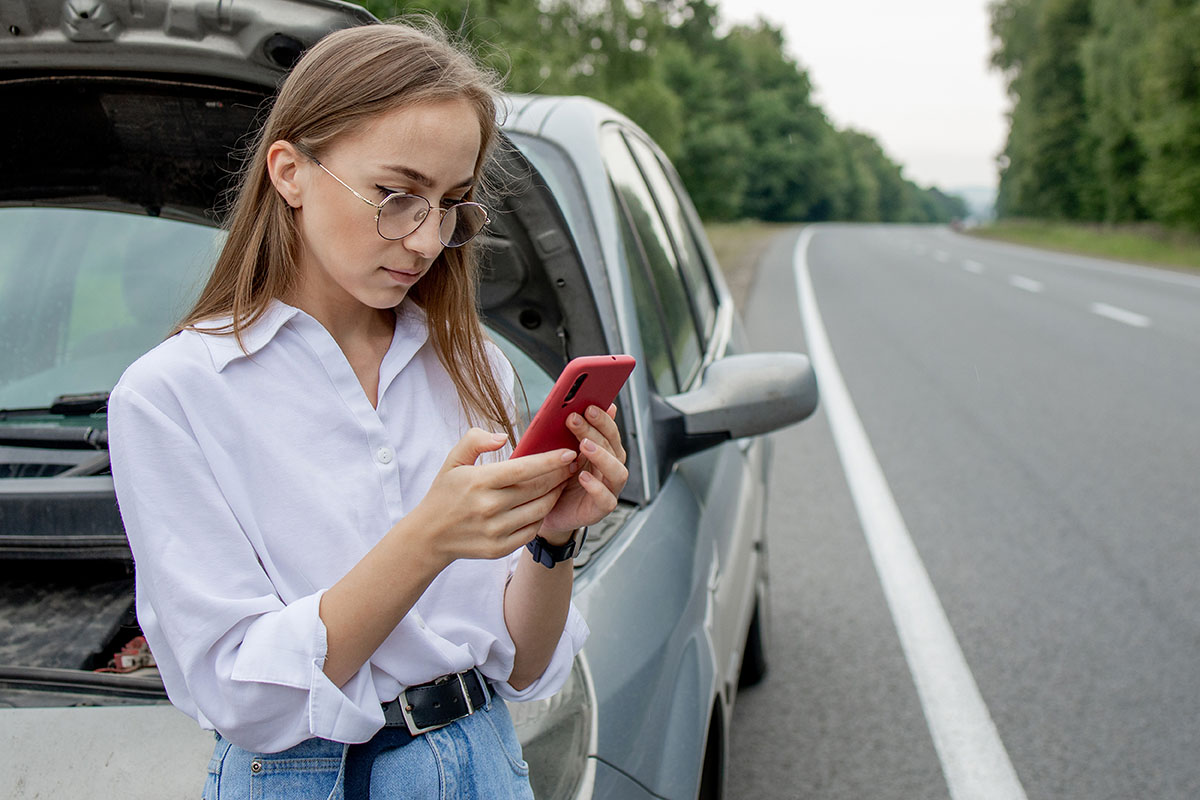
Some vehicles (many Ford and Chevy models, for example) have a specific slot in the center console cup holder or on the steering column marked with a key symbol. Drop the dead fob in the slot and the car can read it.
Preventing Future Lockouts
A few simple habits cut the risk way down.
- Replace fob batteries every two to three years before they die on you
- Keep a spare fob at home
- Don’t leave fobs in wet or extremely hot places
- Pay attention to low-battery warnings on your dashboard
- Test your vehicle battery annually, especially before winter
FAQs
Will my car alarm stop once I start the engine?
Yes. The alarm goes off because the car thinks it’s being broken into when you use the metal key. Once you start the ignition with the fob (using the methods above), the computer recognizes the valid key and kills the alarm.
How long does a key fob battery last?
Usually 2 to 4 years. A CR2032 is the most common battery. You’ll notice it dying when you have to stand closer to the car to unlock it, or when you’re mashing the button multiple times.
Can a locksmith replace the battery on the spot?

Many roadside providers carry standard fob batteries. If not, once the car is running you can pick one up at any auto parts store or pharmacy for a few dollars.
What if the start button still doesn’t work?
If holding the fob to the button does nothing, your problem might be the vehicle’s main 12-volt battery, not the fob. Check if the dome lights are dim or the horn sounds weak. If so, you need a jump start.
Can a dead key fob really lock me out completely?
In most vehicles, no. The hidden mechanical key handles manual entry. But if the vehicle battery is also dead, you may still need roadside assistance for both problems.
Will unlocking my push-to-start car damage the electronics?
Not if it’s done right. Makeshift tools can damage sensors, wiring, and door seals. Professional services use the right tools to avoid all of that.
Why does my car say “Key Not Detected”?
Usually a low or dead fob battery. It can also happen from signal interference or a weak vehicle battery. Holding the fob directly against the start button often fixes it.
Is it safe to jump-start a push-to-start vehicle?
Yes, when done correctly. Modern vehicles have designated jump terminals. Roadside pros follow manufacturer guidelines so nothing gets fried.
How long does it take to unlock a push-to-start car?
A few minutes in most cases. If there’s a dead vehicle battery or an electronic issue on top of the lockout, it may take longer or require a tow.
Quick Solutions for Car Lockouts
A dead key fob battery feels like a bigger problem than it is. The backup systems are already built into your car. You just need to know where to find them.
If you can’t find the hidden keyhole, or you’d rather not pry plastic caps off your door handle, call a professional. At Hi-Way Towing, our drivers open vehicles without damage and can walk you through the startup process for your specific make and model. What feels like a crisis turns into a five-minute stop.