
It’s a moment every driver dreads. You’ve waited patiently at the inspection station, only for the technician to walk over with bad news. Your vehicle has failed its annual safety inspection. As they scrape the old sticker from your windshield, leaving a glaringly empty space, one critical question floods your mind: “Now what? Can I even drive home?”
The answer isn’t a simple yes or no. It’s a crucial distinction between what is legally permissible and what is actually safe. As a company that deals with the consequences of vehicle failures daily, we want to provide clarity on this stressful situation so you can make the safest possible decision.
Table of Contents
The Legal Grace Period: What the Law Says
Legally speaking, when your vehicle fails its state inspection, you are given a 15-day grace period to address the issues and pass a re-inspection. Your inspection report serves as evidence that you are in the process of making repairs. During this 15-day window, you are generally permitted to drive your vehicle to your home, to a repair shop, and back to the inspection station.
Most official inspection stations will offer one free re-inspection if you return within those 15 days. This system is designed to give you a reasonable amount of time to fix the identified problems without rendering your vehicle completely immobile. However, this is where the legal answer ends and the practical safety answer begins.
When “Legal” Isn’t “Safe”: A Reality Check
The fact that you can legally drive your car doesn’t always mean you should. The reason for the failure is the single most important factor in your decision. A failed inspection report is a professional mechanic’s way of telling you that your vehicle has a safety defect. Driving it is an assumption of risk.
Let’s break down common reasons for failure into two distinct categories.
Failures You Can Likely Drive With (Cautiously)
These are issues that need to be fixed but do not typically pose an immediate, catastrophic risk for a short drive home or to a repair shop.
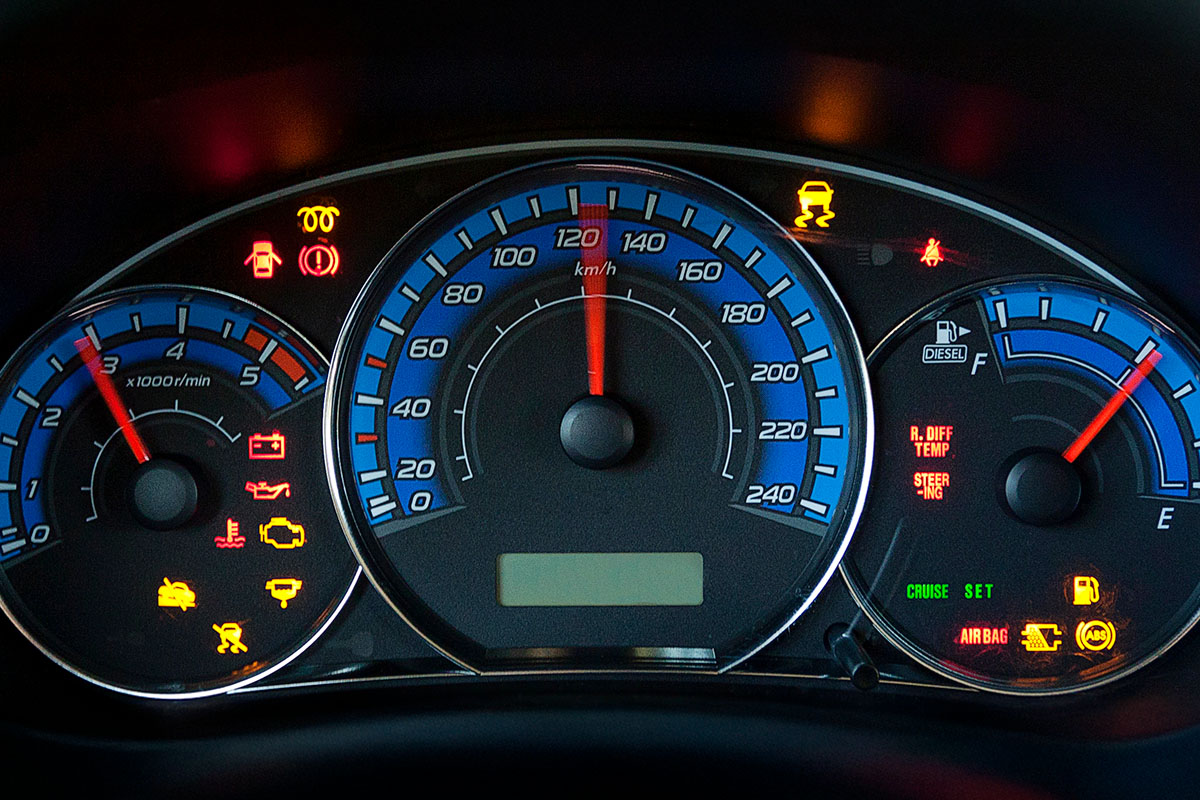
- Check Engine Light: Often related to emissions system failures, this light is an automatic fail. While it shouldn’t be ignored, it doesn’t usually indicate an imminent mechanical breakdown that would make a short drive unsafe.
- Worn Wiper Blades: If it’s a clear day, worn wipers won’t affect your ability to drive home safely. This is an easy and inexpensive fix you can often do yourself.
- A Burned-Out License Plate Light: Like wiper blades, this is a minor issue that doesn’t compromise the core safety functions of the vehicle for a daytime drive.
- Horn Not Working: While a safety feature, the absence of a horn for a brief, direct trip for repairs is a manageable risk.
Failures That Demand a Tow

These are critical safety failures. Driving a vehicle with any of these issues is not just a risk; it’s a danger to you, your passengers, and everyone else on the road.
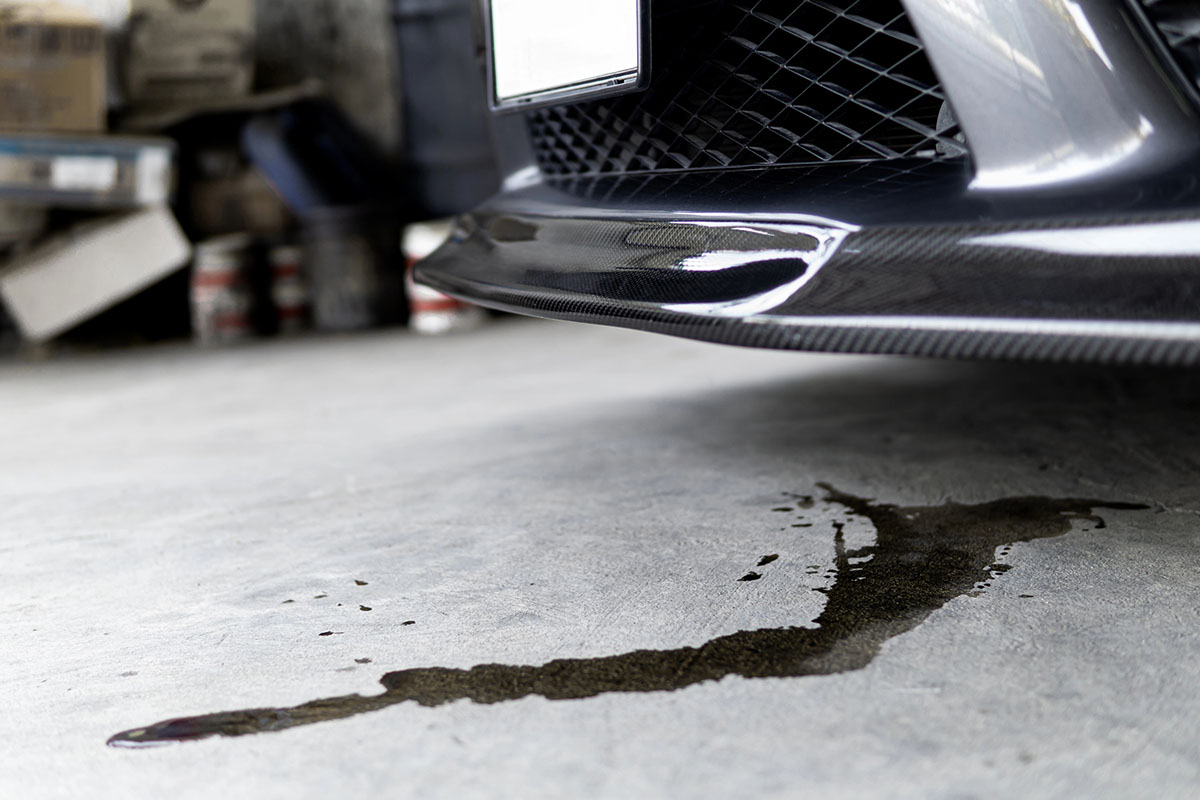
- Brake System Failure: This is non-negotiable. If your vehicle failed for worn brake pads below the legal limit, a leaking brake line, or a “soft” brake pedal, it should not be driven another foot. Your ability to stop is compromised, and there is no “safe” way to drive a car that can’t reliably stop.
- “Bald” Tires: Tires that fail due to tread depth below 2/32 of an inch are at extremely high risk for a blowout, especially at highway speeds. They also have severely reduced traction in wet conditions, making hydroplaning much more likely.
- Steering or Suspension Issues: If the failure is due to worn-out ball joints, tie rods, or other critical steering components, you risk losing control of the vehicle. A failure in one of these parts while driving can be catastrophic.
- Major Exhaust Leak: A minor leak might just be loud, but a significant leak, especially one near the passenger cabin, can allow deadly carbon monoxide to enter the vehicle.
- Broken Headlights (for night driving): If it’s dark or nearing dusk, driving without two functioning headlights is both illegal and incredibly dangerous.
The Liability Factor
It’s also important to consider liability. If you are knowingly operating a vehicle with a documented safety defect (like failing brakes) and you are involved in an accident, you could potentially be found negligent. The small cost of a tow is insignificant compared to the financial and legal consequences of an accident caused by a known vehicle issue.
FAQs
What if my sticker was already expired when I failed the inspection?
This is a critical distinction. The 15-day grace period applies to vehicles with a valid, current inspection sticker at the time of failure. If your sticker was already expired, you have no legal grace period to be on the road. Driving under these circumstances puts you at immediate risk of receiving a citation.
Can I still get a ticket during the 15-day period?
Yes, a law enforcement officer can still pull you over for the lack of a valid sticker. However, your inspection report showing the failure and the date should serve as proof that you are within your 15-day window to make repairs. Always keep this document in your vehicle.
How far can I drive on a failed inspection?

The law is intended for you to drive the vehicle home and to a place of repair. It is not a 15-day free pass to continue your normal daily driving routine, run errands, or take road trips. Using it as such is abusing the intent of the law and can still result in a ticket.
What happens if I fail the re-inspection?
The 15-day clock does not reset. You must still complete the necessary repairs and pass an inspection within the original 15-day window from your first failure.
Can I get pulled over just for expired inspection stickers?
Yes. Law enforcement can stop vehicles displaying expired inspection stickers. It’s a valid traffic stop reason. While officers often use discretion for recently expired stickers, you can legally be stopped and cited solely for expired inspection without any other traffic violation occurring.
The Smart and Safe Decision: When to Call for a Tow
Failing state inspection is frustrating but manageable if you approach it logically. The immediate question of whether you can drive or need towing depends on what failed and how serious the safety implications are.
For minor failures with a current valid sticker, you’re fine to drive while arranging repairs. For serious safety failures or expired stickers, you’re taking legal and safety risks by driving. Towing eliminates both concerns and ensures you’re not compounding problems.
The reinspection process is straightforward once repairs are complete. Get the work done, return for reinspection, receive your passing sticker, and you’re legal for another year. Delaying just accumulates risk of citations and makes the situation more complicated.
If an inspector tells you the vehicle is unsafe to drive, take that seriously. The cost of a tow is minor compared to the costs of accidents, breakdowns, or citations resulting from driving a vehicle with known serious defects.
Make the decision that prioritizes safety and legal compliance over convenience. Your vehicle failed inspection for reasons. Address them properly rather than gambling that nothing goes wrong during the period you’re driving it in non-compliant condition.