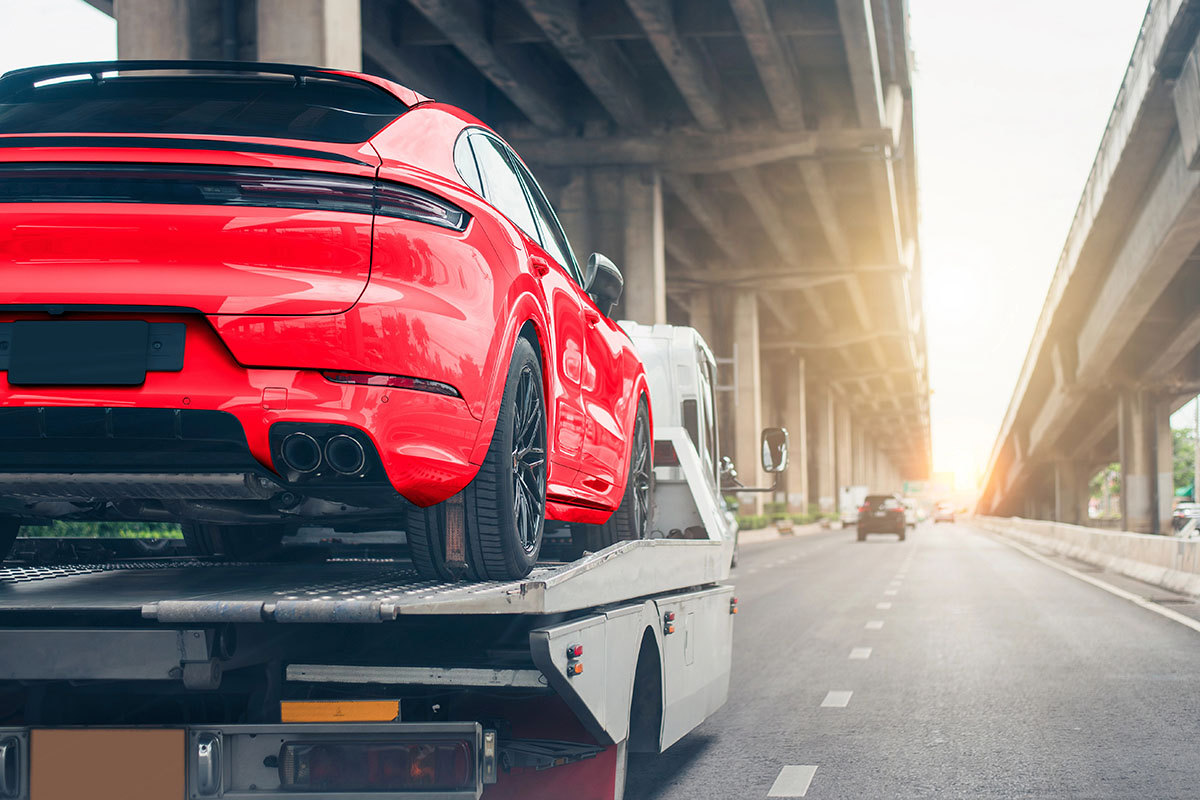
Driving a high-end luxury sedan, a low-slung sports car, or a modified performance vehicle, whether that means a Mercedes-Benz S-Class, a Porsche 911, or a lowered BMW M4, feels different from driving an ordinary commuter car. These machines are built for precision handling, clean body lines, and advanced automotive technology. The trouble starts when an unexpected breakdown, flat tire, dead battery, or mechanical issue leaves the car stranded, because moving it safely takes specialized care.
The towing methods that work fine for everyday commuter vehicles can do major damage to a low-clearance chassis or a delicate all-wheel-drive system. A standard wheel-lift or hook setup may be acceptable for an ordinary sedan but on a luxury vehicle, it can turn a roadside problem into body, undercarriage, or driveline damage. For luxury car owners, calling just any tow truck is not a small gamble. Professional transport using hydraulic flatbed wreckers remains the safest way to protect that automotive investment during a roadside breakdown.
Table of Contents
The Unique Vulnerabilities of High-End and Low-Clearance Vehicles
Modern exotic and premium automobiles are engineered with strict tolerances, low ride heights, and aero pieces that sit close to the pavement. That applies to everything from a Ferrari or McLaren to a luxury sedan with adaptive air suspension. Those design choices improve aerodynamic downforce, grip, and sharp road or track response, but they also leave almost no margin for error during loading and transport.
Bumper and Bodywork Contact

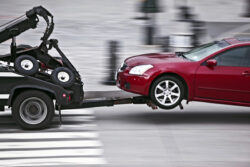
Exotic sports cars, classic restorations, and luxury vehicles often wear aggressive front splitters, custom side skirts, and very low ground clearance. A standard hook-and-chain or traditional wheel-lift tow truck loads the car at an incline and keeps two wheels on the pavement. That breakover angle is where expensive damage often starts. A small dip in the road, a steep driveway apron, or a speed bump can make a low bumper scrape hard against the asphalt or crack a carbon-fiber lip, turning a simple tow into a bodywork bill.
Complex Drivetrain Architecture
A majority of luxury vehicles now use advanced modern All-Wheel Drive (AWD) or permanent 4WD systems, including setups such as Audi quattro, BMW xDrive, and Mercedes-Benz 4MATIC. Electric vehicles (EVs) add another complication because their motors are tied directly to the drivetrain, and manufacturer guidance often calls for full-lift or flatbed transport. If an AWD car or EV is towed with its drive wheels rolling on the ground, heat can build fast enough to damage the transfer case, transmission, differential, or electric drive unit within minutes.
Aluminum and Carbon Fiber Suspensions
High-performance vehicles rely heavily on lightweight materials such as carbon fiber components, specialized air suspension systems, and aluminum control arms. Those parts help save weight and sharpen handling, but they are not forgiving when a tow operator uses the wrong recovery point. An improper winch pull angle, or a heavy tow chain hooked to a suspension arm instead of a designated tow eye, can bend frame members, damage underbody panels, or burst an air suspension bladder.
How Hydraulic Flatbed Wreckers Eliminate Transport Risk
Flatbed wreckers, also referred to as rollback tow trucks, change the recovery geometry completely. Instead of dragging the vehicle or lifting it by the axles, a flatbed transport truck uses hydraulics to lower a flat, solid steel platform close to pavement level. That gives the operator a much flatter, more controlled path for loading.
Complete Ground Isolation

Once the vehicle is properly loaded onto a rollback bed, all four wheels rest flat on the deck surface instead of rolling down the road. The car is separated from potholes, road debris, and terrain friction during transit. Because the vehicle does not roll on its own wheels while it is being transported, there is zero added wear on the transmission, transfer case, or tires, which matters on expensive performance rubber, finished wheels, and tightly calibrated driveline systems.
Ultra-Low Incline Loading Angles
A proper flatbed wrecker uses a hydraulic rollback deck to create a much shallower loading angle with the ground than a standard tow setup. For cars that sit especially low, skilled recovery operators add race ramps or wood blocks to stretch that angle even more. That extra clearance matters on custom front splitters and low-hanging exhaust pipes, because it helps the car clear the deck without a scratch.
Non-Damaging Securement Systems
With a conventional tow, chains may be wrapped around structural components, and that is where damage can start: scratched powder-coated frames, torn rubber boots, or marks on suspension parts. Flatbed operators handling luxury and low-clearance vehicles usually use soft synthetic wheel straps in an eight-point tie-down setup, so the secure points are the tires instead of the frame or suspension. The car stays firmly anchored to the truck bed while still riding on its own suspension, which reduces stress during transport.
Why Specialized Expertise Matters as Much as Equipment
Good equipment is only half the job. Moving a low-clearance exotic or luxury vehicle safely also takes an operator who understands how high-end cars are engineered, including long front overhangs, hidden tow points, adaptive air suspension, and fragile aero pieces.
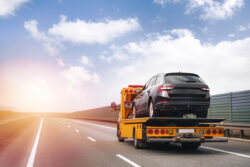
Before any winch line is attached, a careful tow operator checks the vehicle’s factory recovery points. Many luxury vehicles use specific screw-in tow eyelets that thread into hidden ports behind bumper inserts, often stored with the factory tools. Using those dedicated anchor points keeps winch load off cosmetic body panels and reduces the chance of cracked trim or paint damage.
The dispatch call matters too, because the wrong truck wastes time and can turn one recovery into two trips. When you give the towing service the exact make, model, and modified ride height of the vehicle, dispatch can send a rollback unit already set up for low-angle loading on the first attempt.
Smart Steps to Take When Requesting Tow Assistance
If your luxury vehicle or low-clearance car breaks down, a few simple steps can make the recovery smoother and cut the odds of damage:
- Inform Dispatch Right Away: Give the towing company your car’s make, model, trim level, and any ground-clearance modifications, such as lowering springs, coilovers, or an aftermarket front lip, so they send a flatbed wrecker.
- Locate the Tow Eyelet: Check the trunk or glove compartment for the factory emergency tow eyelet, which screws into designated bumper ports and gives the operator the correct pull point.
- Take Pre-Tow Photos: Photograph the condition of your bumpers, wheels, and side skirts before loading starts, and include any front lip or diffuser if the car has one, so you have a clear record for your personal files.
- Select a Trusted Carrier: Work with a fully insured, established towing company that carries on-hook and cargo coverage and holds direct commercial accounts with regional dealerships and repair facilities. Those relationships usually mean the carrier already meets the handling and documentation standards those businesses expect.
FAQs
Can a flatbed tow truck transport a vehicle with zero ground clearance?
Yes. Operators who regularly handle low vehicles use flatbeds with hydraulic rollback decks, then add low-profile loading ramps or wooden incline blocks to extend the ramp length and lower the incline angle. That longer, flatter path lets cars with very little ground clearance roll smoothly onto the bed without scraping the splitter, undertray, or exhaust.
Why is flatbed towing recommended for electric and all-wheel-drive cars?
As a rule, all-wheel-drive vehicles and electric vehicles should not be towed with their wheels touching the ground unless the manufacturer explicitly says otherwise. Doing that can spin transmission components or electric motors without the lubrication or operating conditions they were designed for, which can cause severe drivetrain damage or, in the worst case, catastrophic drivetrain failure. A flatbed avoids that problem by keeping all four wheels off the ground and protecting the internal components.
Will securing a car on a flatbed damage the alloy wheels or custom rims?
Not when the job is handled by professionals. Specialized towing providers usually secure the vehicle with a four-point setup using heavy-duty, non-abrasive nylon wheel straps, also called over-the-tire tie-downs, instead of metal chains. Because those soft straps wrap the rubber tire tread rather than the rim, there is zero metal-to-metal contact with custom alloy wheels and far less risk of scratches, chips, or gouges during loading and transport.
What should I do if my low-clearance car is stuck in a low-ceiling parking garage?
A standard flatbed truck can be too tall to get into a tight underground parking garage with low clearance beams, so the recovery plan has to change. In those specific situations, operators use a low-profile wheel-lift unit with dolly wheels to ease the vehicle out of the garage safely, then transfer it onto a flatbed for long-distance transport. That extra step matters on low-clearance cars, where front splitters, side skirts, and underbody panels leave very little room for error.
Is flatbed towing more expensive than conventional tow truck options?
Flatbed towing may carry a slightly higher base rate than standard wheel-lift services, but the price difference is minimal next to the repair bill for bumper scraping, a cracked aero piece, or a damaged drivetrain. On a low-clearance or luxury vehicle, one bad loading angle can wipe out any savings fast. In that sense, the higher rate works like affordable insurance for protecting a luxury investment.
Protecting Your Automotive Investment with Hi-Way Towing
Your luxury vehicle or low-slung performance car is a serious financial investment, and for most owners it’s also a source of pride. These cars often have low bumpers, firm suspension, and very little clearance underneath, so outdated equipment or an inexperienced operator can do real damage fast. What starts as a simple roadside inconvenience can turn into thousands of dollars in structural or mechanical damage.
When an emergency roadside situation comes up, specialized flatbed transport gives owners real peace of mind because it is the safest way to move a luxury, exotic, or low-clearance vehicle without adding damage. At Hi-Way Towing, our team uses professional hydraulic equipment and decades of hands-on expertise to load, secure, and transport these vehicles safely across every mile. If your vehicle needs roadside assistance and damage-free towing services, contact the trusted professionals at Hi-Way Towing for the kind of handling these cars require.