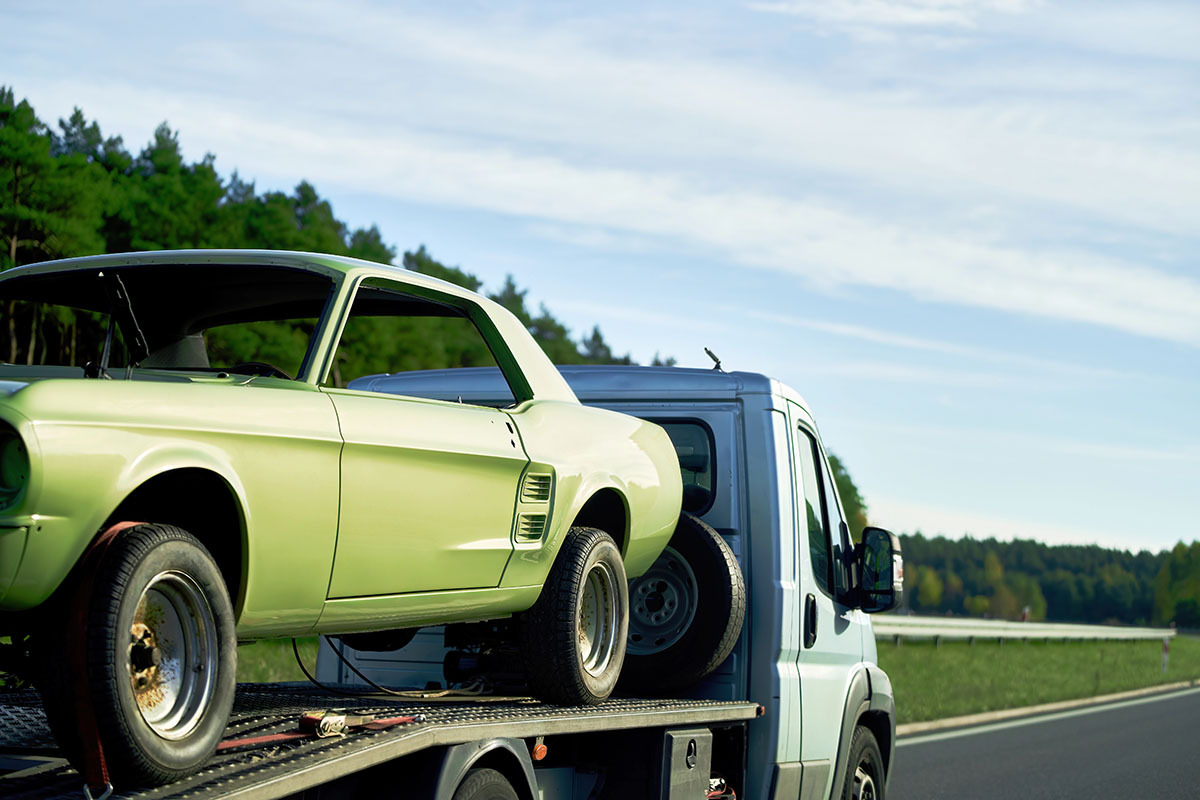
Finding the ideal vintage vehicle or project car hidden in an barn, rural field, or residential driveway is a major win. Whether you discovered a classic muscle car, an unfinished hot rod, or a rare pickup truck, closing the deal is a thrill. However, once you hand over the money, you face an immediate challenge: transporting a vehicle that does not run, steer smoothly, or stop on its own.
Moving an inoperable or project vehicle in takes careful preparation, specialized equipment, and local know-how. The region’s terrain, ranging from narrow, heavily wooded county roads to uneven dirt driveways, presents distinct obstacles. Trying to haul a dead car with inadequate gear can easily ruin fragile body panels, shred dry-rotted tires, or bend structural frame parts.
Here is how to plan, prepare, and execute the transport of your new project car across Texas without a hitch.
Table of Contents
The Risks of Moving Non-Running Vehicles Incorrectly
Hauling a project car involves far more risk than standard roadside towing. Because these cars often sit untouched for years or decades, their mechanical condition is unpredictable.
- Brake and Suspension Failures: Hydraulic brake lines rot, calipers freeze, and drum brakes rust solid over time. If a non-running car has no working brakes, towing it with a strap or wheel-lift truck is dangerous. The vehicle cannot stop itself, creating a high risk of rear-end crashes.
- Tire Blowouts and Seized Bearings: Old tires frequently suffer from severe dry rot. They lose air fast or blow out completely as soon as they start rolling. On top of that, wheel bearings sitting without fresh grease can lock up, causing tires to drag rather than roll.
- Hidden Structural Damage: Rusted floorboards, frame rot, and brittle suspension mounts are common on old vehicles. Hooking winch cables to the wrong spot can tear structural metal or bend steering linkages, turning a manageable restoration into a body shop nightmare.
Steps to Take Before the Transport Truck Arrives
A little prep work before the tow rig shows up saves time and prevents headaches on loading day.
1. Inspect Mobility
Check if the tires hold air. If they are flat or off the rim, inflate them with a portable air compressor or prepare to use tire skates. Make sure the transmission shifts into neutral. On older automatics, linkages often freeze, meaning you might have to disconnect them manually under the car. Finally, check if the steering wheel turns. A locked steering column without a key makes loading much more complex.
2. Clear the Recovery Site
Project cars often hide in barn corners, pastures, or muddy yards. Clear away low-hanging tree branches, tall brush, soft mud, and scrap metal. Creating a clear, straight path to the transport truck reduces strain on winching equipment and prevents body scratches.
3. Secure Loose Parts
Project cars usually come with spare parts like bumpers, trim pieces, hoods, or glass sitting inside the cabin or trunk. Make sure the hood, doors, and trunk lid latch completely shut. Remove any loose exterior trim that could fly off on the highway.
Why Flatbed Towing Is the Right Choice for Classics
Flatbed towing is the safest method for moving non-running classic vehicles. Unlike traditional hook-and-chain or wheel-lift trucks, a flatbed carries the entire vehicle on an elevated platform.
| Flatbed Feature | Practical Benefit |
| Zero Wheel Contact | Eliminates drivetrain stress and transmission wear. |
| Controlled Winching | Allows smooth loading without sudden jerks. |
| Complete Isolation | Protects low-clearance body panels and undercarriages. |
| Four-Point Tie-Downs | Secures axle housings safely without scratching rims. |
Drivetrain Protection
Dragging a vehicle with its drive wheels on the pavement can destroy manual and automatic transmissions, especially when fluid is low or parts are seized. Flatbeds lift all four wheels off the road, completely avoiding drivetrain wear during transit.
Clearance for Low or Modified Suspensions
Many classic cars, hot rods, and custom builds have lowered suspensions or long front overhangs. Flatbed trucks with hydraulic tilt decks offer a low ramp angle. This keeps front bumpers, oil pans, and exhausts from scraping during loading.
Heavy-Duty Winching
When a car cannot move under its own power, a commercial hydraulic winch pulls the vehicle smoothly onto the bed. Professional operators use soft synthetic straps attached directly to solid frame points or axle housings, avoiding delicate steering or suspension arms.
Handling Texas Backroads and Highways
Transporting vehicles in Texas presents local challenges that require practical experience.
- Rural Terrain and Dirt Drives: Many classic car finds are located on unpaved gravel or dirt roads. Rain turns soft Texas soil into mud that causes heavy trucks to lose traction. Local towing professionals know how to position heavy equipment on uneven ground without sinking or tearing up property.
- Highway Transport: Moving a car from places like Tyler or Longview across state highways takes proper tie-down procedures. Transport operators use heavy-duty wheel nets or eight-point tie-downs secured directly to the axles. This keeps the vehicle stationary, even when hitting rough pavement or sudden wind gusts on open roads.
FAQs
What if the car has flat tires or missing wheels?
Flatbed operators use heavy-duty tire skates, go-jacks, and wood blocks. These tools allow the operator to slide or roll the vehicle smoothly onto the bed without damaging the frame, undercarriage, or body panels.
Can a car be moved without the keys?
Yes. If the steering column is locked or the transmission is stuck in park, operators use wheel dollies, mechanical disengagements, or skates to load the car safely onto a flatbed without damaging the ignition or steering lock.
How do I prepare a barn find that has been sitting for years?
Inflate the tires if possible, clear a straight path around the car, and remove any heavy loose parts stored inside that could shift. Make sure the rolling path is clear of thick brush, scrap metal, or deep mud.
Is a flatbed safer than a tow dolly for classic cars?
Yes. A tow dolly keeps two wheels on the road, exposing old tires, bearings, and suspension parts to road stress. A flatbed carries the entire car, preventing tire wear, drivetrain strain, and rock chips.
What details should I share when scheduling transport?
Provide the year, make, and model of the vehicle, its exact location, and an honest assessment of its condition. Mention whether the tires hold air, if the steering turns, if the transmission shifts into neutral, and if access is tight due to narrow drives or soft dirt.
Getting Your Project Home Safely
Finding a classic car or project vehicle is a great win, but getting it home takes the right gear and experienced hands. Trying to move an inoperable vehicle with improvised straps or personal trailers risks expensive damage to your new investment.
Working with a flatbed transport provider familiar with Texas roads gets your car to your driveway or shop intact. When you are ready to move your next vintage find, trust the team at Hi-Way Towing to handle the job safely and efficiently.