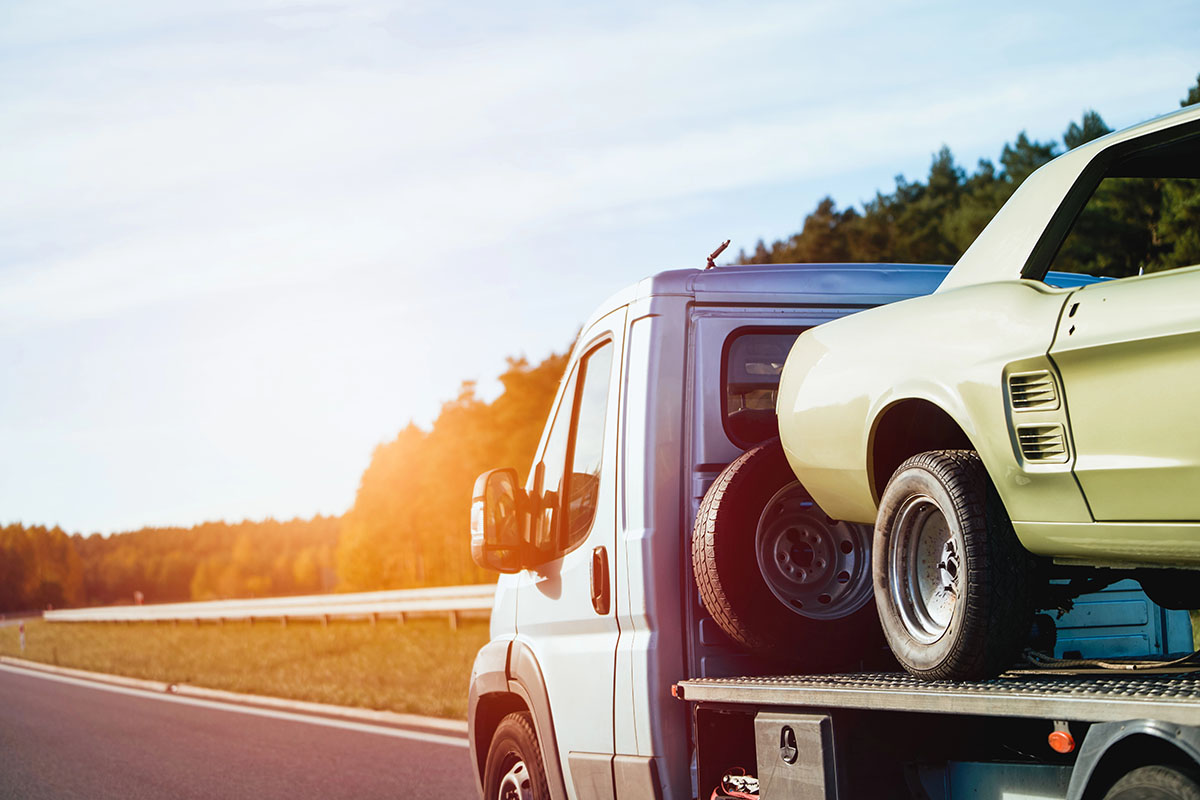
You finally did it. Months of Craigslist scrolling, Facebook Marketplace rabbit holes, and weekend drives to see “project cars” that turned out to be boxes of rust, and you found the right one. The classic muscle car, the vintage truck, the forgotten sports coupe someone else gave up on. Deal made, hands shaken, title in hand. Now comes the part nobody warns you about: how do you actually get this thing home with Tyler hauling?
Moving a non-running car from the seller’s driveway to your garage sounds simple. It’s not. This is where a lot of project cars pick up their first new damage, before you’ve turned a single wrench. A friend’s truck and a rental trailer might feel like the practical, cheap answer, but flatbed hauling in Tyler TX is safer. But “practical and cheap” has a way of turning expensive when the car shifts on the ramp, a strap slips, or something goes wrong halfway home.
Table of Contents
The DIY Approach: What Can Go Wrong
Most people’s first instinct is to handle transport themselves. That usually means one of two options: rent a car dolly or trailer, or grab a tow strap. Both feel like money-savers. Neither is as simple as it looks.

Rental car haulers are built for generic use, running vehicles with working brakes and inflated tires. Your project car probably has none of those. Low clearance means steep ramps scrape. Seized brakes mean you can’t roll the car into position. Dry-rotted tires can blow under load. And if you haven’t loaded and strapped a car before, that’s when things shift in transit, or don’t make it to the destination at all.
A tow strap is for pulling a stuck vehicle in a field, not hauling it down a public road. There’s no braking transfer, all the stopping force falls on the tow vehicle alone. In most states it’s also illegal for road transport, and the forces involved put real stress on both frames, especially during a hard stop.
Project cars are often more fragile than they look. Dragging one with seized brakes grinds the calipers further. A winch hook or strap in the wrong spot bends a subframe rail or crushes a bumper bracket. A steep ramp catches the exhaust or undercarriage. None of it is catastrophic on its own, but it all adds up, and it all eats into your restoration budget before the real work even starts.
There’s also your own truck to think about. If the project car is heavier than your tow vehicle’s rated capacity, a common miss when buyers don’t check the door jamb sticker, you’re putting real strain on your transmission, brakes, and rear suspension. That’s a second repair bill you didn’t budget for.
Why a Flatbed Is the Right Call
A flatbed tow truck solves all of this at once. The car rides on a level surface, no wheels touching the road, no ramp angle scraping the undercarriage, no dolly torquing the rear axle. A professional loads it, straps it correctly, and delivers it without the drama. For what most flatbed tows cost ($150-$300 for a local haul), it’s the cheapest insurance you’ll buy on this project.
Flatbed transport has a clear practical edge over every other option for hauling a non-runner:
The vehicle’s wheels don’t turn, the brakes aren’t touched, and the suspension takes no load, it just sits on the truck bed, isolated from the road entirely. That matters especially when you don’t yet know what’s wrong with the car. A seized caliper or a failing wheel bearing that would cause real problems on a tow dolly is irrelevant on a flatbed.
Experienced operators know where to attach the winch cable, to the frame, not a bumper or suspension arm, and most modern flatbeds use hydraulic tilt to bring the loading angle down considerably. That shallow pitch is a significant advantage over the steep fixed ramps on most car trailers, particularly if the car sits low or has a front air dam that would drag on a conventional ramp.
A proper flatbed load uses four-point tie-downs on the frame or factory-designated tie-down points, not the wheels or body panels. Nothing shifts in transit. If the car had fragile bodywork or a fresh repair when it was picked up, it will have the same when it arrives.
You don’t have to rent a trailer, calculate your tow vehicle’s tongue weight rating, or back a loaded trailer through traffic for the first time. You’re also not personally liable if something goes wrong on the highway. Hand the operator the details, and meet them at the destination.
FAQs
Isn’t hiring a professional towing service expensive?
Compare the fee to what a bent subframe or snapped tie rod would cost to fix, and those are the cheaper failure modes. A professional flatbed for a local haul typically runs a few hundred dollars depending on distance. Against the risk of damaging a car you likely haven’t driven yet, that’s a reasonable premium on the first day of ownership.
Can I just use a tow dolly for a non-running car?
Rarely a good idea. Put a front-wheel drive car on a dolly and it seems straightforward, until the rear parking brake is seized and nothing rolls. A rear-wheel drive car requires dropping the driveshaft first to protect the transmission, which usually means getting under the car with tools in a parking lot or on the roadside. A flatbed skips all of it: four wheels on the deck, nothing spinning, no disassembly required.
What information do I need to provide to the tow company?
Have the pickup and drop-off addresses ready, along with the make, model, and year. Then describe the car’s actual condition: does it roll freely? Are the brakes locked? Do the tires hold air? Do you have a key? That last detail matters more than people expect, operators handling a keyless non-runner often need to winch and manually steer, which changes the job and sometimes the price. The more you tell them upfront, the fewer surprises at the pickup location.
What if the project car is located far away?

Long-haul transport is a different service from a local tow. Ask whether the company holds the proper interstate operating authority for out-of-state moves, what their cargo insurance actually covers, and whether your car travels solo or shares a multi-car carrier. Those details matter for both pricing and accountability if something goes wrong in transit.
Can you tow a car if it has no wheels or tires?
Yes, but call ahead. Tow operators can use skids or wheel dollies to slide a wheelless car onto a flatbed, standard hooks won’t work here. Not every truck carries that hardware, so give the company the details before they roll out.
Do I need the title to have a project car towed?
Generally, yes. Tow companies need to confirm you have the legal right to move the vehicle. A signed title and bill of sale together are usually enough to establish ownership at pickup, but confirm with the company before the truck arrives so there are no holdups on the day.
What if the project car is stuck in park and I do not have the key?
Common problem with modern vehicles. An experienced tow operator can disconnect the shift linkage from underneath to drop the transmission into neutral, or use a bypass tool if the electronics allow it. If neither option works, wheel dollies under the drive wheels get the car moving without risking the transmission.
How much does it cost to tow a non-running car?

Price depends on distance and how complicated the hookup is. A car that rolls freely on flat pavement costs less than one stuck in mud or sitting on bare rotors. Most tow companies in Central Texas quote based on those specifics, call with the details and you’ll get a straight number.
Should I remove loose parts before the tow?
Yes. Secure or pull anything that isn’t firmly attached, a loose hood, spare parts rattling around in the cabin, trim held on by one bolt. At highway speeds, a stray hubcap or piece of chrome becomes a projectile for whoever is driving behind the flatbed.
The First, and Safest, Step in Your Restoration Journey
The moment a project car changes hands, the transport home is where damage most often happens, dragged drivetrains, scraped undercarriages, parts lost off an open trailer at 70 mph. A flatbed eliminates most of that risk in one decision. Get the transport right and the restoration starts on solid footing, not a repair bill.
When you’ve found the car, call Hi-Way Towing for Tyler towing. We run flatbed trucks built for non-runners of all kinds, and we’ll get your project home in one piece, so the real work, the fun part, can actually begin.