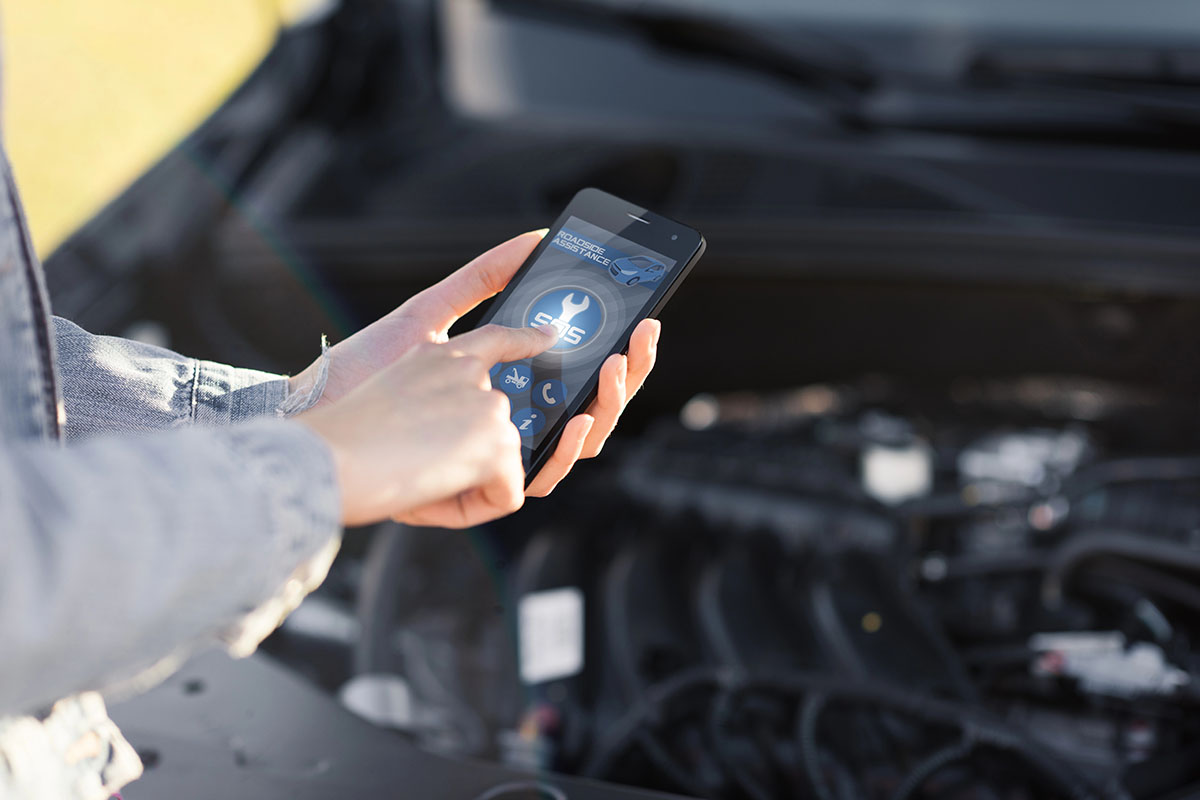
Stranded on I-35 or stuck on a Hill Country back road, most drivers reach for their phone and call their insurance or AAA. The relief of remembering you have coverage kicks in fast. What happens next is where things get complicated.
A roadside plan is worth having. The real question is what it actually covers when you’re stuck at 11 p.m. outside Kyle or Fredericksburg. Most people don’t find out until they’re on hold watching their estimated wait time tick upward. Coverage exists on a wide spectrum, from plans that get a truck rolling in 20 minutes to ones that bounce your request between three operators before anyone picks it up. Knowing a direct towing company in advance isn’t redundant. It’s the backup plan for your backup plan.
Table of Contents
How Network-Based Assistance Works
When you dial the 1-800 number, you reach a call center rep, not a tow truck driver. That rep could be sitting in a facility in Phoenix or Atlanta. Their job is to log your location and push it into a dispatch system.
- They record your location and vehicle information.
- That request goes out to a network of independent local tow operators in your area.
- One of them has to see the job, decide the network’s rate is worth it, and accept, before anyone actually heads your way.

That’s three steps before a truck rolls. The model works well for insurers. For the driver sitting on the shoulder of US-290 at 9 p.m., it’s a different calculation.
The Real Downsides of Relying Only on a Network
- Variable and Unpredictable Wait Times: The ETA your call center rep gives you is an estimate based on no real-time data about local provider availability. If nearby operators are tied up on private calls, which pay better than network rates, your request sits. During busy periods, it may get passed to a second company, then a third. A 45-minute estimate can quietly stretch to two hours. This is the complaint that shows up most consistently in online reviews of insurance roadside claims.
- Lack of Provider Choice: You have no input on who shows up. That matters more than it sounds. If you drive a classic car, an EV, or a modified vehicle, operator experience with that type of vehicle matters, and the dispatch network has no mechanism for filtering by reviews, specialization, or equipment.
- Strict Service Limits: Most basic plans cap towing distance at 5 to 10 miles. In a city, that’s workable. In Central Texas, where the distance from Llano or Mason to the nearest full-service shop can exceed 30 miles, that cap leaves a gap. Any mileage over the limit is billed directly to you, at a per-mile rate you typically don’t see until after the tow is done.
Some plans skip dispatch entirely, their “roadside assistance” is just a reimbursement program. You find a tow truck, pay out of pocket, then submit a receipt and wait for a check. That process can take weeks. If you’re stuck on the shoulder at midnight with a $350 tow quote and $200 in your account, a reimbursement check arriving three weeks later doesn’t solve the immediate problem.
Why Calling Local and Direct Actually Works
When you call a local towing company directly, you cut out the national dispatch layer entirely. You’re not a ticket number routed to whoever’s available, you’re a paying customer calling the company that will physically send the truck.
- Direct Communication and Accurate ETAs: The dispatcher you reach knows exactly where their drivers are right now. Not an estimate based on regional contractor availability, actual, current location. That’s the difference between “30 to 90 minutes” and “our driver is on Route 9, about 12 minutes out.”
- Priority Service: Motor clubs negotiate flat rates with their contracted providers, rates that are typically lower than what a direct-paying customer generates. When a driver has two calls overlap, the economics of that arrangement shapes which job gets handled first.
- Clear, Upfront Pricing: A professional company quotes you the job before any truck moves, a jump-start, a lockout, or a tow to your mechanic 18 miles away. No mileage caps buried in the fine print that kick in after mile 5 and show up as a surprise charge afterward.
- Choice and Expertise: You get to pick based on reputation and equipment. A shop experienced with EVs understands how to handle the weight distribution of a Model Y differently than a standard wrecker crew would. Same applies to lowered cars or vintage vehicles where an improper flatbed load causes damage. Checking Google reviews before you’re stranded beats learning that lesson roadside.
FAQs
So, should I cancel my AAA or insurance roadside assistance?
Probably not. A basic subscription plan works well as a low-cost fallback for routine situations, a dead battery in a parking lot, a flat on a slow road. The smarter move is to keep a direct-service local company’s number saved alongside it, so when speed or coverage matters, you have an option that actually fits the situation.
Will my insurance roadside assistance tow me to my personal mechanic?

It depends on your policy’s mileage cap. If your mechanic is 20 miles away but your plan only covers 5, you’re on the hook for the remaining 15 miles, billed after the fact, at whatever rate the dispatch contractor charges. A direct provider quotes you the full distance upfront, before the truck rolls.
I have a brand new car with its own roadside assistance program. Is that different?
The coverage is a real benefit, but the infrastructure behind it works the same way. Ford, Toyota, and most other manufacturer programs route calls through a regional network of contracted local providers, the same setup as AAA or an insurance plan. You can hit the same coverage limits and wait-time variability depending on where and when you break down.
How do I choose a good local towing company to save in my phone?
Google reviews are a reasonable starting point, look for a company with at least 50 reviews and a consistent pattern of responding to negative ones. Check their site for actual photos of their fleet: flatbed trucks matter if you drive an AWD vehicle, a low-clearance car, or anything where all four wheels need to leave the ground simultaneously. A company that has operated locally for years and answers their phone at 2am is worth more than a polished national brand backed by variable contractor quality.
Does calling a tow truck directly cost more than using my membership?
You do pay upfront, but “more” depends on your policy’s fine print. Most roadside memberships cap free towing at 5-7 miles; beyond that, per-mile overage charges apply. Club calls also generate a service usage record that can factor into renewal pricing with some insurers. Calling a local tow company directly means no claim record, no mileage cap, and you pick the destination. For most calls in Tyler or Longview, a local tow runs $75-$150, often less than a mileage overage would cost through a club anyway.
Can I use a local tow company and get reimbursed by my insurance or AAA?
Often, yes. Many standard auto insurance roadside add-ons and some AAA tiers include a reimbursement path: pay the towing company, keep the receipt, submit a claim. The process is usually straightforward, but reimbursement caps vary, some policies top out at $50-$100, which may not cover the full invoice. Check your declarations page or call your agent now, before you’re stranded on the shoulder trying to read your policy on a cracked phone screen.
Are there limits to what local towing companies can do compared to clubs?
Local companies typically have fewer limits, not more. Club authorizations cover the basics, flat tire, jump start, lockout, short tow. They’re not equipped to winch a truck out of a muddy ditch, haul a trailer, or move heavy equipment. A full-service local operation carries the gear and certifications for those recoveries. Ask any tow company upfront what they can handle; a good one will say straight out if a job is outside their scope.
Why are wait times often longer through national clubs?
Clubs dispatch by contract price, not proximity. Their network vendors accepted lower per-call rates in exchange for volume, so the assigned truck may be across town rather than two miles away. During high-demand windows, a summer heat wave, an ice storm, a major highway pileup, towing companies prioritize direct-pay calls first. The economics are simple: a $250 direct call pays better than a $65 club dispatch. Club members routinely report two- to four-hour waits in those conditions; direct customers typically see a truck in under an hour.
Does insurance-based roadside assistance cover commercial vehicles?
Standard personal auto roadside add-ons almost never extend to vehicles classified for commercial use, work trucks, vans with business signage, or vehicles registered to a company. If you use your vehicle for deliveries, contracting, or any revenue-generating work in Central Texas, your personal policy likely won’t pay out when you call for a tow. Most commercial operators in the area maintain a direct relationship with a local towing company that handles commercial accounts, priority dispatch, invoiced billing, and a dispatcher already familiar with your equipment.
A Layered Approach to Roadside Security
A subscription roadside plan is a reasonable baseline, but it shouldn’t be your only one. When you’re stuck on I-35 or on a dark FM road, you need a truck that can reach you fast, and a club dispatcher routing calls by contract price doesn’t always make that happen.
The practical fix is straightforward: keep your basic plan for the value it provides, and add one backup, a local towing company’s number saved in your phone. When speed matters, you call them directly, skip the hold queue, and get a real ETA from someone who knows the roads. That $100-$150 direct tow often costs less than an hour on the shoulder wondering whether help is still coming.
For direct roadside service in Central Texas, call Hi-Way Towing. No call centers, no dispatch queues, a local crew available 24 hours a day.