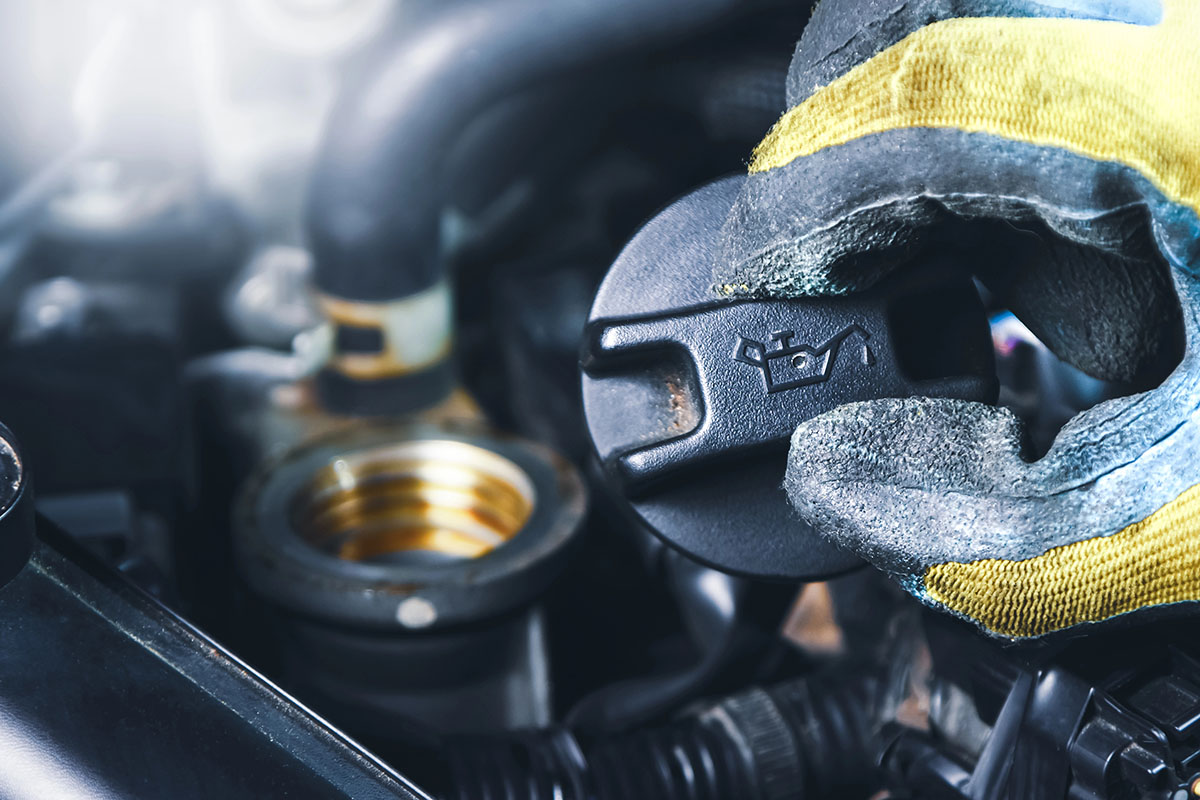
Central Texas roads stretch in every direction, Hill Country switchbacks, Gulf Coast straightaways, flat plains running toward El Paso. Whatever the destination, a preventable breakdown has a way of turning a good trip into a waiting game on the shoulder of a state highway. The steaming engine, the strange noise, the dashboard warning light: none of these come out of nowhere. Most mechanical failures leave signs well before they strand you.
No vehicle is breakdown-proof, but fluid checks catch most of the common culprits before they become roadside problems. Oil, coolant, brake fluid, and washer fluid take about five minutes to inspect and require no special tools, a reasonable trade for cutting your odds of being stranded miles from the nearest exit.
Table of Contents
1. Engine Oil
Oil keeps the engine’s metal parts from grinding against each other. Without adequate lubrication, friction destroys components fast. Low oil or oil that’s long overdue for a change is one of the more common causes of engine damage that shows up on the side of a highway.

Park on level ground and wait until the engine is cool. Pull the dipstick out, wipe it clean with a rag, push it all the way back in, then pull it out again for an accurate reading.
The oil level should fall between the two marks on the dipstick. Fresh oil is a light amber color; as it ages and picks up combustion byproducts, it darkens. Black and gritty means it’s overdue for a change. A milky or foamy appearance suggests coolant is mixing with the oil, that’s a shop visit, not a simple top-off.
2. Engine Coolant (Antifreeze)
Texas summers push engine temperatures hard. Coolant circulates through the engine block to pull heat out before it causes damage. In triple-digit weather, a low coolant level can lead to overheating faster than you’d see in milder climates, a problem that can warp a cylinder head or crack a block.
Safety first: never open the radiator cap when the engine is hot. Pressurized coolant can cause serious burns. Instead, check the translucent plastic overflow reservoir near the radiator, the level should sit between the marked lines on the outside of the tank, no cap removal required.

Coolant comes in green, orange, or pink depending on the formulation, but it should look clean and bright. Rusty or brown fluid, or coolant with particles floating in it, means the system has degraded and needs to be flushed, that’s a shop job, not a driveway fix.
3. Brake Fluid
The braking system is hydraulic: pressing the pedal forces brake fluid through lines to the calipers at each wheel. If the fluid level drops or the fluid breaks down, stopping distances increase and brake lines can corrode from the inside out.
Find the small reservoir on the firewall, typically on the driver’s side of the engine bay. Most are translucent plastic, so you can read the level from the outside without pulling the cap.
Fluid should sit close to the max line. Fresh brake fluid is nearly clear to light honey-colored. Dark brown fluid has absorbed moisture over time, absorbed moisture lowers the fluid’s boiling point, which can cause brake fade under hard use, and accelerates corrosion in brake lines and calipers.
4. Windshield Washer Fluid
Washer fluid isn’t glamorous, but it’s a real safety item. Love bugs are a Texas fact of life from April through September, and a single swarm across a windshield at highway speed can cut visibility to near zero in seconds. A dusty ranch road or a mud splash from a passing truck does the same. Running out of washer fluid in that moment means smearing the mess around until you can find somewhere safe to stop.
- How to Check: Find the reservoir, it’s typically a translucent plastic tank marked with a windshield wiper icon. The fluid level is visible through the plastic without removing the cap, so this check takes about ten seconds.
- What to Look For: The reservoir has a max fill line; it should be at or near that line before you leave. A half-empty reservoir on a summer highway drive means running out of fluid right when road grime is at its worst.
5. Power Steering Fluid
Hydraulic power steering is still standard on most trucks, SUVs, and older sedans, though many newer passenger cars have switched to electric systems that use no fluid at all. If there’s a power steering fluid reservoir under your hood, that confirms you have the hydraulic type and need to check it.
- How to Check: Find the reservoir near the engine’s drive belts, the cap usually shows a steering wheel symbol and has a short attached dipstick. The cap itself will tell you whether to check with the engine hot or cold. Follow that instruction; fluid expands with heat, so the reading can shift by several millimeters depending on temperature.
- What to Look For: Fluid should sit between the min and max marks on the dipstick. A low level often announces itself before you even pop the hood, a high-pitched whine when turning at low speeds is the classic symptom. Run it dry long enough and the pump fails; replacement typically runs $200-$600 depending on the vehicle.
FAQs
What should I do if I find a fluid level is low?
Top it off, but don’t stop there, find out why it dropped. Oil, coolant, and brake fluid operate in closed systems with no normal outlet. A low reading almost always points to a leak somewhere. Before a long trip, have a mechanic trace the source; driving 500 miles on a slow coolant leak is how a minor repair becomes an engine replacement. The one exception is windshield washer fluid, which is actively used up and simply needs refilling.
Does the color of my oil or brake fluid matter that much?
Yes, color tells you more than a level check ever could. Fresh oil is amber; black oil has accumulated combustion byproducts and lost most of its lubricating value. Brake fluid starts clear or pale yellow. Dark brown fluid has absorbed moisture over time, and water in brake lines boils under hard braking, that’s how brake fade becomes outright brake failure on a mountain descent. If either fluid is dark, schedule a change before the trip.
Can I mix different types or brands of coolant?

No, and this is a mistake with real consequences. Coolants come in chemically distinct formulas, OAT, HOAT, IAT, among others, and mixing incompatible types triggers a reaction that produces a thick, gel-like sludge. That sludge clogs the narrow passages in radiators and heater cores, causing overheating that can warp a cylinder head. Your owner’s manual specifies the exact type to use. Don’t assume two coolants are compatible because they share the same color, green-to-green and orange-to-orange mixtures have caused failures before.
How often should I be checking these fluids?
Once a month covers routine monitoring and takes under five minutes. Before any long road trip, check regardless of when you last did it, fluid levels can drop between checks if there’s a slow leak you haven’t spotted yet. A problem that’s minor at home becomes a serious breakdown 300 miles from the nearest town.
Is it okay to use water instead of coolant in an emergency?
In a genuine emergency, temperature gauge climbing, no parts store nearby, yes, add water to get yourself to a shop. But treat it as a stopgap only. Tap water contains minerals that leave deposits inside the cooling system, and plain water boils at 212°F versus 265°F or higher for a 50/50 coolant mix, which leaves almost no safety margin on a hot day. Use distilled water if you have it, drive cautiously, and get the system flushed and refilled with the correct coolant as soon as you reach a service station.
What should I do if my oil pressure light comes on during my trip?
Pull over as soon as it’s safe and shut the engine off. The oil pressure warning light doesn’t just mean you’re running low, it means the engine isn’t building adequate pressure, which is more urgent than a low-level warning. Driving even a few miles in that condition can seize the engine. Pull the dipstick; if the level is at or below the minimum mark, don’t restart. Add oil if you have some on hand, or call a tow. A tow is far cheaper than an engine rebuild.
Can I mix different brands of brake fluid or oil?

Yes, as long as the specs match. If your owner’s manual calls for DOT 4 brake fluid, any brand rated DOT 4 works as a top-off. Same logic applies to motor oil: 5W-30 from one brand and 5W-30 from another are interchangeable in a pinch. What you cannot do is mix fluid types. Brake fluid and power steering fluid are not the same thing, putting the wrong one in the brake reservoir can destroy the seals and cause brake failure.
Why does my car smell like maple syrup after I drive?
That’s almost certainly a coolant leak. Engine coolant contains ethylene glycol, which gives off a distinctly sweet smell when it burns off hot engine components or drips onto the exhaust. Check two things right away: your temperature gauge and the coolant reservoir under the hood. If the reservoir is low or the gauge is climbing past normal, stop driving. An overheated engine can crack the head gasket, a repair that typically runs $1,500 to $2,000.
Prevention is good. Preparation is better.
Five minutes with a dipstick and a tire gauge catches most problems before they strand you. A weak battery flagged in the driveway is a $150 fix. The same battery dying at mile 200 on I-35 costs a tow, possibly a hotel night, and most of a day. These checks don’t guarantee a perfect trip, but they shift the odds sharply in your favor.
Even well-prepared drivers hit unexpected trouble. Tires blow without warning. Batteries die at the worst possible moment. When that happens, you need someone who actually answers the phone. Hi-Way Towing covers Central Texas around the clock, roadside assistance, towing, whatever the situation calls for. Save the number before you leave.