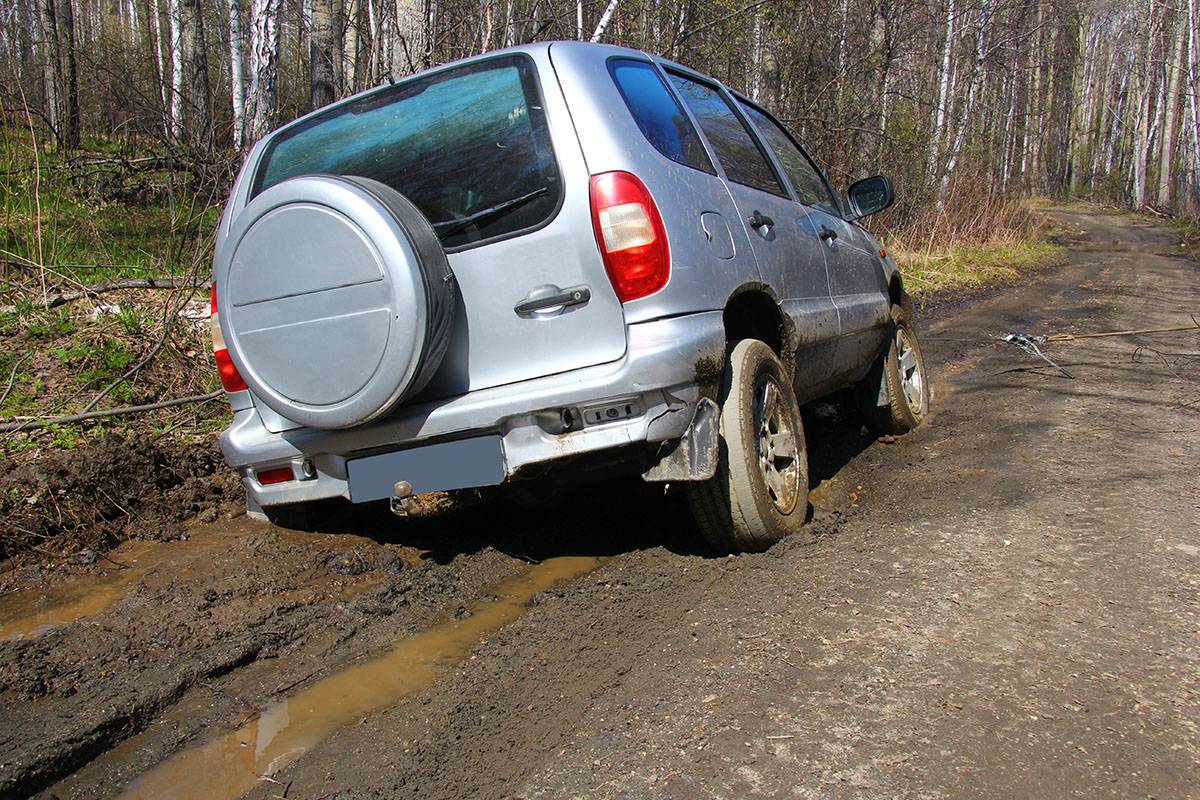
Texas weather turns fast. Heavy downpours around Tyler and the surrounding piney woods turn local roads, pastures, and unpaved driveways into soft traps. Rain saturates the ground, leaving behind thick mud that catches cars, trucks, and commercial vehicles off guard.
Sliding off a slick back road into a ditch or sinking past your wheel wells in wet clay happens in seconds. Floor the gas pedal or ask a neighbor with a chain to jerk you out, and you risk ripping off bumper components or flipping the vehicle. Knowing how professional recovery works helps you manage post-storm mishaps safely without wrecking your car.
Table of Contents
Why Rain Softens the Ground So Quickly
The soil across Texas presents specific challenges when heavy storms roll through. High concentrations of clay and sand react quickly to persistent water.
Wet red clay loses its firm structure, turning into a slick top layer over soft mud. Vehicles moving down gravel roads, dirt driveways, or grassy shoulders break through that top crust, letting tires sink straight down.
Deep roadside ditches handle heavy runoff during flash floods. When heavy rain cuts visibility, tires slide down these steep banks. Pulling a vehicle out of a ditch takes careful angles because gravity constantly pulls the chassis sideways.
The Hidden Risks of Pulling It Out Yourself
Yanking a stuck truck out of a ditch with standard tow straps often leads to bent frames and broken parts. While calling a friend feels faster, the weight and suction holding a stuck car require serious force to overcome.
- Frame and Suspension Stress: Wet mud acts like a vacuum around tires. Snatching a stuck car with a static chain puts severe shock loads on bumpers, control arms, and frame rails.
- Flying Hardware: Tow balls, light-duty hooks, and hardware store straps snap under heavy stress. When they fail, metal pieces launch through back glass and windshields.
- Tire and Transmission Damage: Spinning tires in deep mud achieves zero traction. It digs the axle deeper, strips tread off the tires, and cooks the transmission fluid.
- Rollover Angles: Pulling a vehicle up a ditch embankment without controlling the side-to-side tilt easily rolls the car onto its doors or roof.
How Professional Winch-Outs Work
Professional operators use hydraulic power, high-tensile steel lines or synthetic rope, and specific rigging points to pull vehicles free without adding mechanical damage.
When a recovery unit gets on site, the operator works through a clear set of steps:
- Site Assessment: The driver checks ground firmness, vehicle position, mud depth, and the distance to solid asphalt.
- Rigging & Angles: The operator connects lines directly to factory-approved frame points or recovery hooks rather than steering parts or body panels. Snatch blocks double the pulling power and correct the angle of lift.
- Controlled Pull: Hydraulic winches apply steady, slow tension to break the mud’s suction and keep the vehicle stable as it moves onto solid ground.
What to Do While Waiting for Help
If your car or truck slides off the drive or sinks into thick mud after a heavy downpour, taking a few simple steps keeps you safe until help arrives.
- Stop spinning the tires. Take your foot off the gas and turn off the engine. Spinning only buries the frame deeper into the dirt.
- Check safety around the vehicle. Look out for oncoming traffic, fast-moving water, or fallen power lines before opening your door. If you are near traffic or rising water, stay inside with your belt fastened or move up to high ground.
- Turn on emergency flashers. Keep hazard lights running so oncoming drivers see your car in heavy rain or at night.
- Pin your position. Note nearby street signs, mile markers, or drop a pin on your mobile map so the dispatcher sends the operator directly to your spot.
- Call an experienced operator. Let them know what kind of vehicle you drive, how far it sits from hard pavement, and how deep the tires are buried so they bring the right setup.
FAQs
How does a winch-out differ from a regular tow?
A standard tow lifts or rolls a mobile car onto a flatbed for transport to a repair shop. A winch-out uses heavy cables, pulleys, and hydraulic power to pull an immobile vehicle out of mud, water, or off steep slopes back onto solid road.
Will a winch-out damage the vehicle frame or body?
No. Trained operators attach heavy-duty lines strictly to structural frame points and factory recovery loops designated by the manufacturer.
Can a truck reach a car far off the main road?
Yes. Recovery trucks carry long synthetic and steel cables along with snatch blocks and soft shackles, allowing them to pull vehicles stuck dozens of feet off the pavement.
How are winch-out services priced?
Pricing depends on the vehicle size, how far it sits from hard ground, how deep the tires are buried, and how much rigging the operator needs to set up. Pulling a car off a soft shoulder costs less than pulling a truck out of a deep ravine.
Should drivers stay in the car during the pull?
Generally, you will step out of the car and stand in a clear spot well away from tensioned cables before the pull starts. The operator will direct you where to stand safely.
Fast Help When Storms Hit Texas
Heavy rains on backroads require careful driving, but mistakes happen. Sinking into clay or sliding into a ditch leaves you stranded, but trying to yank the car out without proper gear usually ends up costing more in repairs. Controlled winch-outs offer a direct way to free your vehicle without causing structural harm.
If heavy weather catches you off guard around Tyler or anywhere in East Texas, reach out to local pros who know the terrain. Keep the team at Hi-Way Towing saved in your contacts for 24/7 recovery support whenever wet weather makes the roads slick.