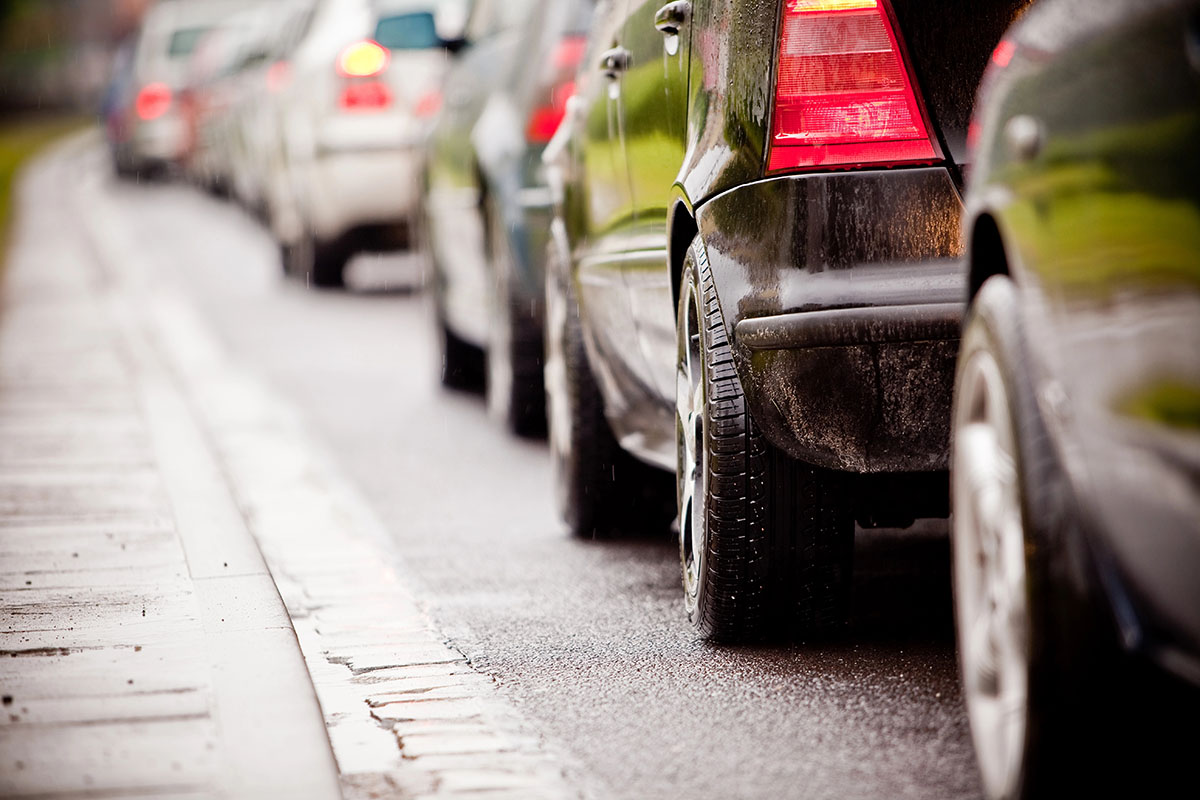
Hearing an alarming rattle along Interstate 20 or having an engine stall in heavy traffic on Loop 323 requires immediate, decisive action. East Texas corridors carry high volumes of commuter, commercial, and freight traffic daily, making roadside safety your top priority.
Table of Contents
Step 1: Execute a Controlled Pull-Off
The moment you notice steering resistance, unusual engine noises, dashboard warning lights, or a sudden loss of power, resist the urge to slam on your brakes. Sudden stops on busy thoroughfares like Broadway Avenue, Gentry Parkway, or Highway 69 put you at risk of rear-end collisions.
Activate your hazard lights immediately to signal your situation to surrounding drivers. Carefully assess your surroundings, signal your intent, and steer your vehicle toward the right shoulder or the nearest exit.
When pulling off the road, keep these guidelines in mind:
- Target a flat, level section of the paved shoulder away from sharp turns or blind crests.
- If you are traveling on I-20, attempt to take an exit ramp to reach a parking lot or well-lit area if your vehicle remains moveable.
- Turn your front wheels away from traffic once parked. If another vehicle strikes yours from behind, this keeps your car from rolling into active lanes.
- Engage your emergency brake firmly to prevent unwanted motion, especially on uneven terrain.
If your car dies completely in a live traffic lane and cannot coast to safety, keep your seatbelt fastened, keep your hazard lights flashing, and call emergency services right away.
Step 2: Protect Passengers on the Roadside
Once your vehicle comes to a complete stop on the shoulder, quickly assess the safety of your environment. Traffic speeds on I-20 frequently exceed 70 mph, while Loop 323 experiences dense multi-lane congestion throughout the day. Deciding whether to remain in your vehicle or step outside depends directly on your location.
In almost all highway breakdown scenarios, staying inside your vehicle with your seatbelt fastened offers the greatest protection. Steel frame construction and airbags provide a protective shield that open shoulders cannot match. Keep all doors locked and keep your hazard lights continuously engaged to maintain visibility.

However, if your car is stopped in a high-risk spot or you notice smoke or fluid leaks, exiting may become necessary. Always exit through the passenger-side door away from passing traffic. Walk well beyond the shoulder line, standing behind guardrails or up on an elevated embankment if possible. Never stand directly behind or in front of your parked vehicle.
Step 3: Increase Your Visibility
Making your stranded vehicle noticeable to oncoming motorists is essential, particularly during nighttime hours, heavy East Texas rainstorms, or morning fog. High visibility alerts drivers early so they can change lanes or reduce speed safely.
To maximize safety, follow these steps:
- Turn on your interior dome light if it is dark outside so passing drivers can easily identify a stationary object.
- Place reflective triangles or emergency road flares 50 to 100 feet behind your vehicle if you can deploy them safely without stepping near live traffic.
- Keep your headlights turned on in parking mode alongside your hazard lights.
- Avoid raising your hood immediately if you are stopped close to active traffic, as an open hood can obstruct your view of oncoming cars and reduce rear reflector visibility.
Step 4: Evaluate the Situation and Contact Reliable Assistance
Once safe and secured, take a brief moment to evaluate what went wrong. Pay attention to specific symptoms such as steam under the hood, a flat tire, a dead battery, or an empty fuel tank. Having a clear description of your vehicle’s condition allows service dispatchers to send the exact equipment needed.
Take note of your precise location. Note nearby mile markers, highway exits, cross streets, or prominent commercial landmarks around, such as the Broadway Square Mall or local intersections along Loop 323.
After identifying your position, contact a licensed professional towing and roadside service. Professional technicians possess the specialized flatbeds, wheel-lift tow trucks, and safety gear required to handle highway recoveries safely. Avoid accepting unsolicited help from unmarked vehicles, and wait inside your secured cabin until your scheduled service provider arrives.
FAQs
What should I do if my car breaks down in a construction zone on Loop 323?
If your vehicle fails in a construction zone with narrow shoulders, keep your hazard lights on and try to reach an emergency cutout or side street. If you cannot clear the active lane, stay inside your vehicle with your seatbelt on and dial 911 or call for immediate professional towing.
Is it safe to change a flat tire on the shoulder of I-20?
Changing a flat tire on the shoulder of a high-speed interstate is extremely dangerous due to passing heavy truck traffic and driver distraction. It is strongly recommended to stay inside your vehicle and call a roadside professional who can establish a safe work zone with properly equipped vehicles.
What details should I give the dispatcher when calling for a tow?
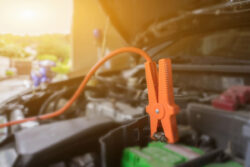
Provide your exact location using landmarks, street names, or mile markers, along with your vehicle’s make, model, and color. Explain the precise issue, such as a locked cabin, stuck drivetrain, or flat tire, so the team brings the appropriate recovery vehicle.
Can I stay in my car while it is being loaded onto a flatbed tow truck?
No, safety regulations prohibit passengers from remaining inside a vehicle while it is being loaded, secured, or transported on a tow truck. You will be asked to step away to a designated safe area while the technician handles the equipment.
How can I prevent vehicle breakdowns during hot East Texas summers?
High heat places severe stress on car batteries, cooling systems, and tires. Prevent issues by routinely checking coolant levels, maintaining proper tire inflation pressure, and having your battery tested before long trips or peak summer temperatures.
Handling Emergency Highway Recoveries in Tyler
Prioritizing controlled pull-offs, remaining inside your cabin when appropriate, and maximizing visibility keeps you and your vehicle safe on busy corridors like Interstate 20 or Loop 323. For assistance with towing, jump starts, vehicle door unlocks, or winch outs in East Texas, call Hi-Way Towing at (903) 581-1821.